In the fast-evolving world of computational technology, choosing the right hardware can significantly impact the performance of scientific and engineering workloads. In this post, we will compare the numerical computing performance of the new AMD Zen4 Threadripper PRO (specifically the 7995WX and 7985WX) against the Intel Xeon W-9 3495X and the older Threadripper 7980X. We will also briefly mention the previous generation Threadripper PRO 5995WX with Zen3 optimizations.
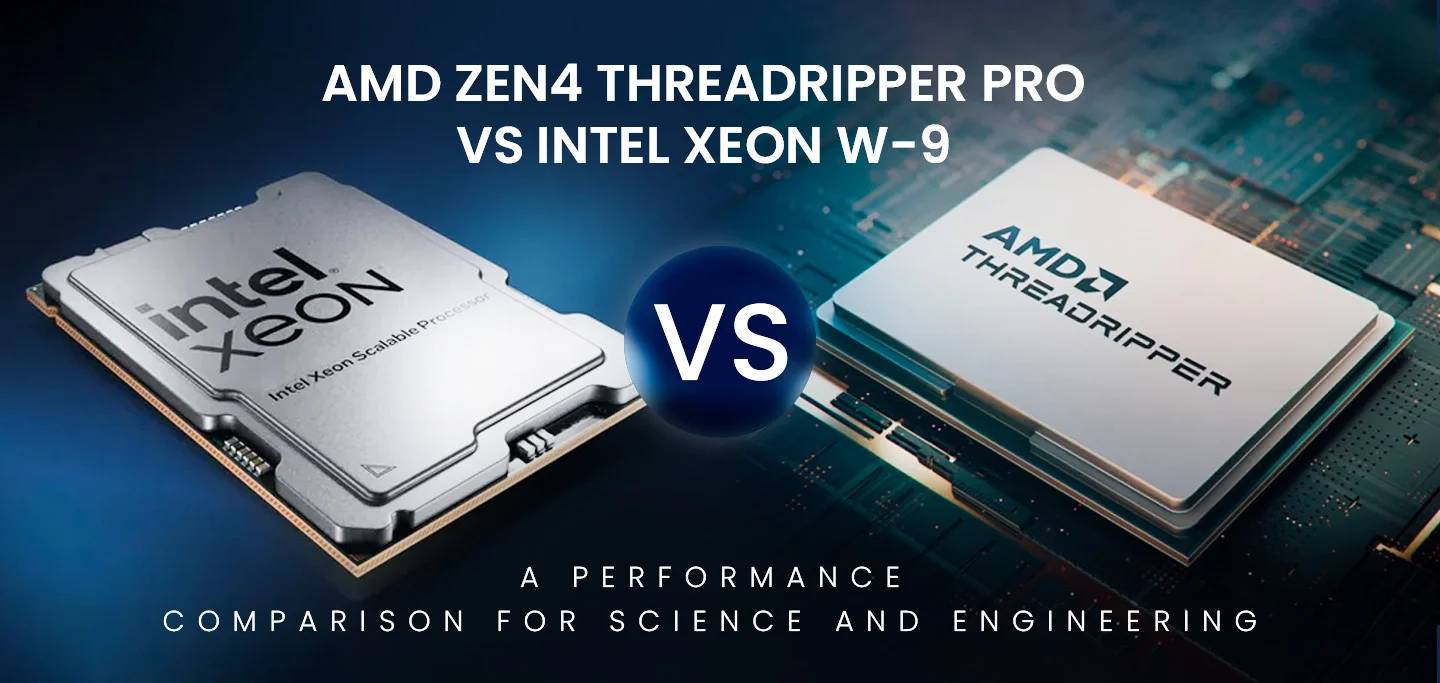
In the fast-evolving world of computational technology, choosing the right hardware can significantly impact the performance of scientific and engineering workloads. In this post, we will compare the numerical computing performance of the new AMD Zen4 Threadripper PRO (specifically the 7995WX and 7985WX) against the Intel Xeon W-9 3495X and the older Threadripper 7980X. We will also briefly mention the previous generation Threadripper PRO 5995WX with Zen3 optimizations.
The AMD Zen4 Threadripper PRO series represents a notable leap in performance and efficiency for multi-threaded workloads. My initial testing indicates that both the Threadripper PRO 7995WX and 7985WX deliver a significant performance improvement over their Zen3 predecessors and outperform the Intel Xeon W-9 3495X in many benchmarks.

In the realm of scientific and engineering applications, performance is critical. The Zen4 Threadripper PRO series boasts impressive specifications:
Both processors leverage AMD's advanced architecture to handle demanding numerical computing tasks efficiently. Notably, the Zen4 architecture allows for a seamless transition from AVX2 to AVX512, enhancing floating-point performance without compromising power efficiency—a crucial factor for extended computations.

Recommendation: Based on my testing, I highly recommend the AMD Zen4 Threadripper PRO for scientific and engineering workloads. Its ability to outperform the previous generation 5900WX series and the Intel Xeon W-9 3495X in most tests is commendable.
Intel Xeon W-9: While the Intel Xeon W-9 3495X shows superior performance in scenarios with fewer cores, it struggles to maintain that efficiency as core counts increase. This performance drop-off suggests that, although it remains a solid choice for legacy Intel-optimized code, the Threadripper PROs are better suited for multi-core applications.
Non-PRO Threadripper 7980X: I also tested the non-PRO Threadripper 7980X; however, I cannot recommend it due to several anomalies, including poor scalability and significantly lower memory performance. Specifically, it delivered inconsistent results with High-Performance Linpack (HPL) and failed to scale effectively with OpenFOAM.
To evaluate the performance of these processors, we conducted various benchmarks, including High-Performance LINPACK (HPL), High-Performance Conjugate Gradients (HPCG), and OpenFOAM. Here’s a summary of each benchmark’s findings:
HPL measures a system's floating-point computing capability and is the standard benchmark for supercomputers.
HPCG assesses a system's performance on memory-bound tasks, which are common in engineering simulations.
OpenFOAM is widely used for computational fluid dynamics (CFD) simulations. The Motorbike benchmark is a practical representation of real-world applications.

After extensive testing and analysis, the performance improvements of the AMD Zen4 Threadripper PRO over the Zen3 generation are impressive. Here’s a concise recommendation:

In the world of scientific computing, the choice between AMD and Intel processors can be pivotal. While both manufacturers offer compelling solutions, the AMD Zen4 Threadripper PRO's performance metrics position it as a formidable player in the high-performance computing landscape.
If you are considering a new workstation for scientific and engineering tasks, the AMD Zen4 Threadripper PRO series should be at the top of your list. For specific software optimizations and development environments, however, the Intel Xeon W-9 may still hold advantages worth exploring.
For this analysis, we utilized a consistent testing platform across various configurations:
By focusing on the most current benchmarks and user experiences, we aim to provide valuable insights to help you make informed decisions regarding your next scientific computing investment.
ProX PC specializes in tailor-made computing solutions for all business needs, including building high-performance workstations and servers optimized for scientific and engineering tasks. Our commitment to quality and performance ensures that our clients have the best tools at their disposal to tackle complex computational challenges.
For more information on our offerings and to explore custom configurations,
Visit www.proxpc.com.
Read More Related Topics:
Resources you may find helpful.

ProX PC Maestro Servers offer the powerful GPUs, ample memory, and scalable features needed to supercharge your deep learning projects.

ProX PC servers offer top performance, scalability, and reliability for big data and deep learning, making them ideal for various industries. Invest smartly with ProX PC.

Discover the future of AI with ProX PC's 8 GPU servers featuring NVIDIA RTX 4090 GPUs. Unmatched performance, reliability, and scalability for all your machine learning needs.
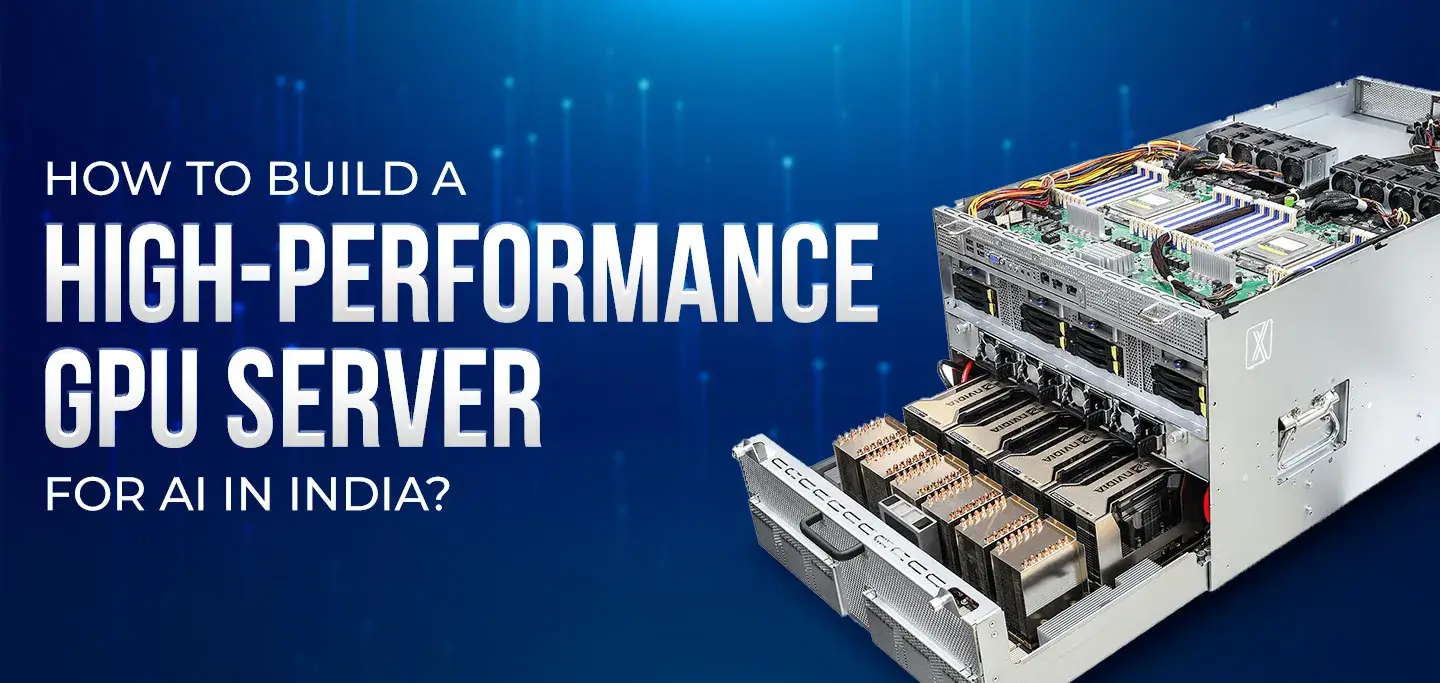
Expert tips on selecting the right components, optimizing performance, and ensuring scalability for AI workloads.