Expert tips on selecting the right components, optimizing performance, and ensuring scalability for AI workloads.

Artificial intelligence (AI) requires powerful computing resources, especially when handling large datasets or complex models. A high-performance GPU server can make AI tasks much faster, enabling quicker results and more efficient training of deep learning models. Building a GPU server in India involves careful planning, selecting the right components, and understanding compatibility. This guide will walk you through the essentials of building an AI-ready GPU server from scratch.
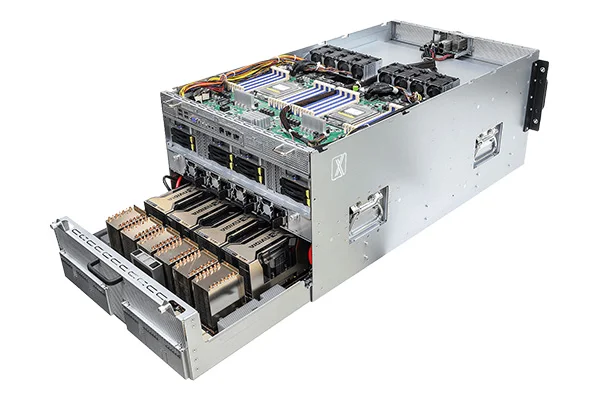
A GPU server is a specialized computer designed to handle intensive tasks that benefit from parallel processing. In AI and deep learning, GPU servers speed up computations significantly by handling multiple calculations at once, making them essential for training complex models.
Key components of a high-performance GPU server include:
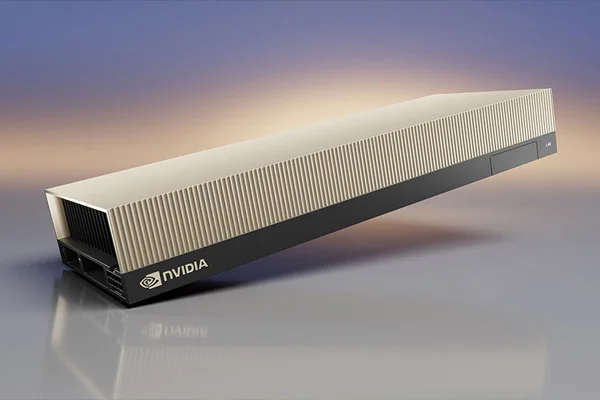
The GPU is the heart of any AI server. Here are some recommended GPUs for AI in 2024:
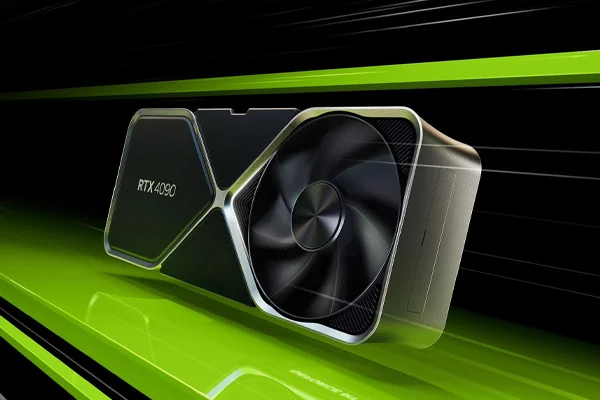
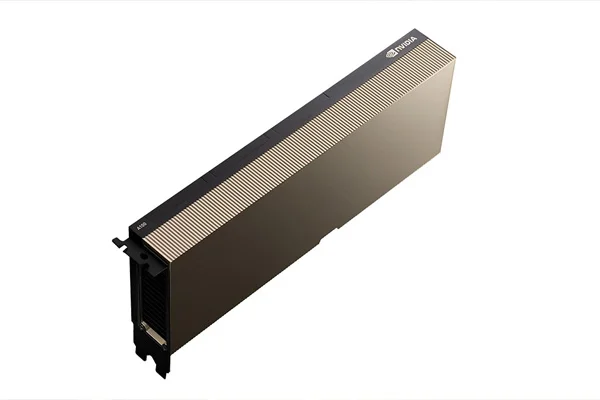
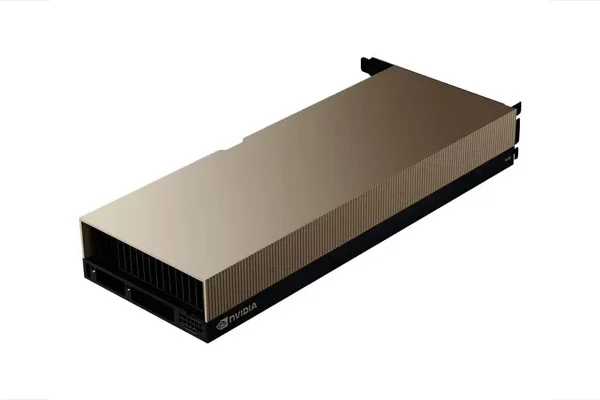
When building a server, consider the number of GPUs you need. Multi-GPU setups can increase speed but require more cooling, power, and compatibility checks.
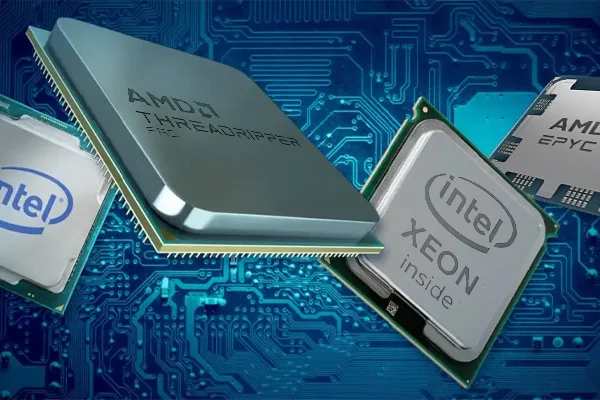
Although GPUs handle most of the processing in AI tasks, the CPU still plays a critical role in managing data transfer and system stability. Some recommended CPUs are:
When choosing a CPU, focus on core count and multi-threading capabilities, as these help with data handling and efficient multitasking.
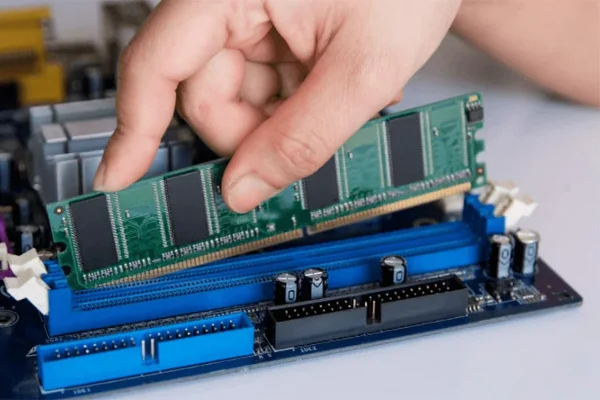
For AI, having enough RAM is crucial for smooth processing, especially when handling large datasets. The recommended amount of RAM for a GPU server is:
Choose high-speed RAM (DDR4 or DDR5), as faster memory helps reduce processing bottlenecks.
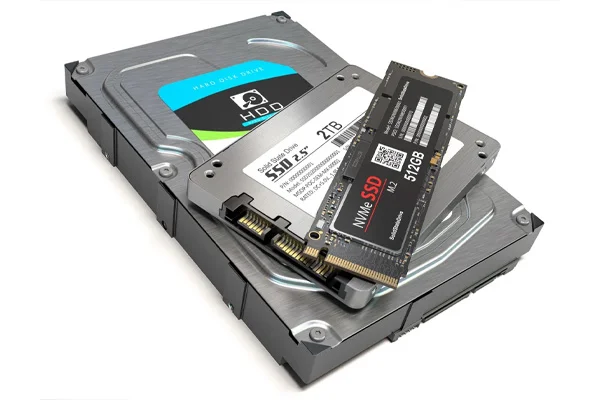
AI workloads benefit from fast storage to quickly access and process data. Here are some good storage options:
For optimal performance, a combination of NVMe SSD (for the OS and active datasets) and HDD (for archived or less frequently used data) is recommended.
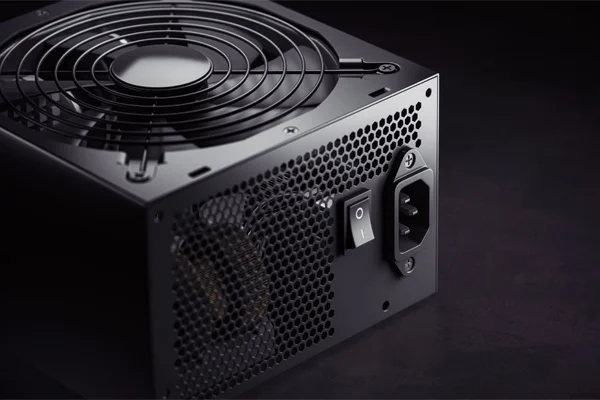
AI servers with multiple GPUs consume a lot of power, so you need a reliable power supply unit (PSU) with enough wattage. Tips for choosing the right PSU:
For multi-GPU setups, a 1200W or higher-rated PSU is often recommended.
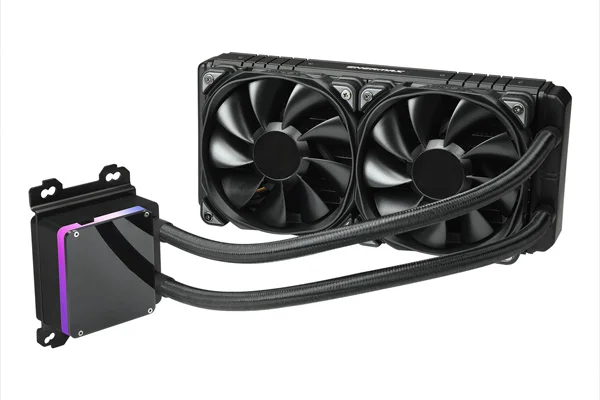
GPUs and CPUs generate significant heat, especially during prolonged AI workloads. Proper cooling is crucial for maintaining stable performance.
Investing in a well-designed case with space for cooling systems can also help with maintaining airflow.
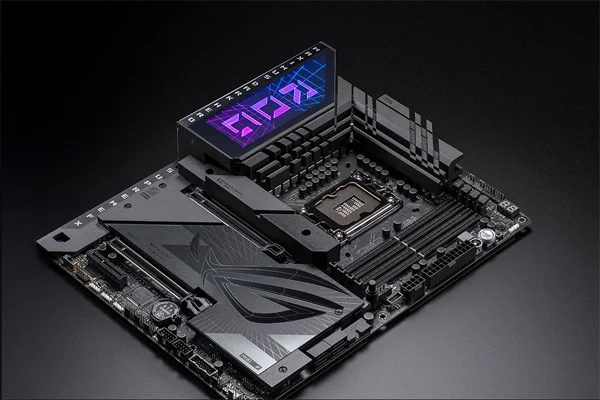
The motherboard needs to be compatible with your CPU and should have enough PCIe slots for multiple GPUs. Some recommended motherboards for GPU servers include:
Ensure your motherboard also supports sufficient RAM and storage connections for future expansion.
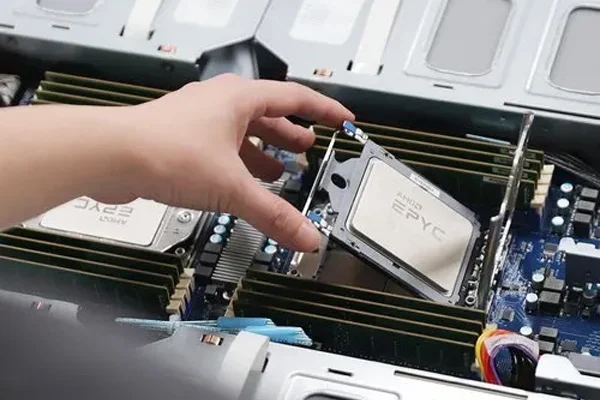
Once you have all the components, it’s time to assemble the server. Some key tips include:
After assembly, you’ll need to install an operating system and AI tools. Common choices include:
Ensure you install the latest drivers and libraries to get the best performance from your hardware.

Testing is essential to ensure your GPU server is performing at its best. Here’s how you can do it:
Optimization might involve adjusting fan speeds, updating firmware, or overclocking (for experienced users).

Finding high-quality components in India can be a challenge. Here are some trusted places to buy GPU server components:
Compare prices, check warranty options, and look for sales or discounts for cost savings.
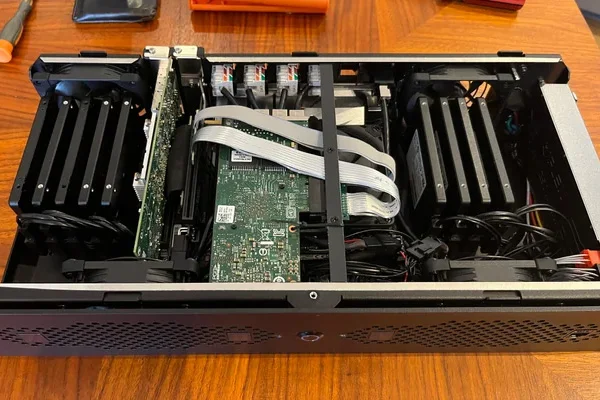
If building a server seems overwhelming, you might consider a pre-built server. Some companies offer custom-built GPU servers specifically for AI, including brands like ProX PC, Ant PC, and others. Pre-built options come with support and warranty but may cost more than building from scratch.
Building a high-performance GPU server for AI in India requires careful planning and the right components. By following this guide, you’ll have a powerful system that can handle the most demanding AI tasks. Remember to check compatibility, focus on cooling, and buy from reputable stores to ensure a smooth build experience. Once set up, your GPU server will become a valuable asset in training and running AI models efficiently, helping you achieve your AI goals.
Visit: ProX PC GPU Server Recommendation Page Here
Visit: www.proxpc.com
Also Read:
Resources you may find helpful.
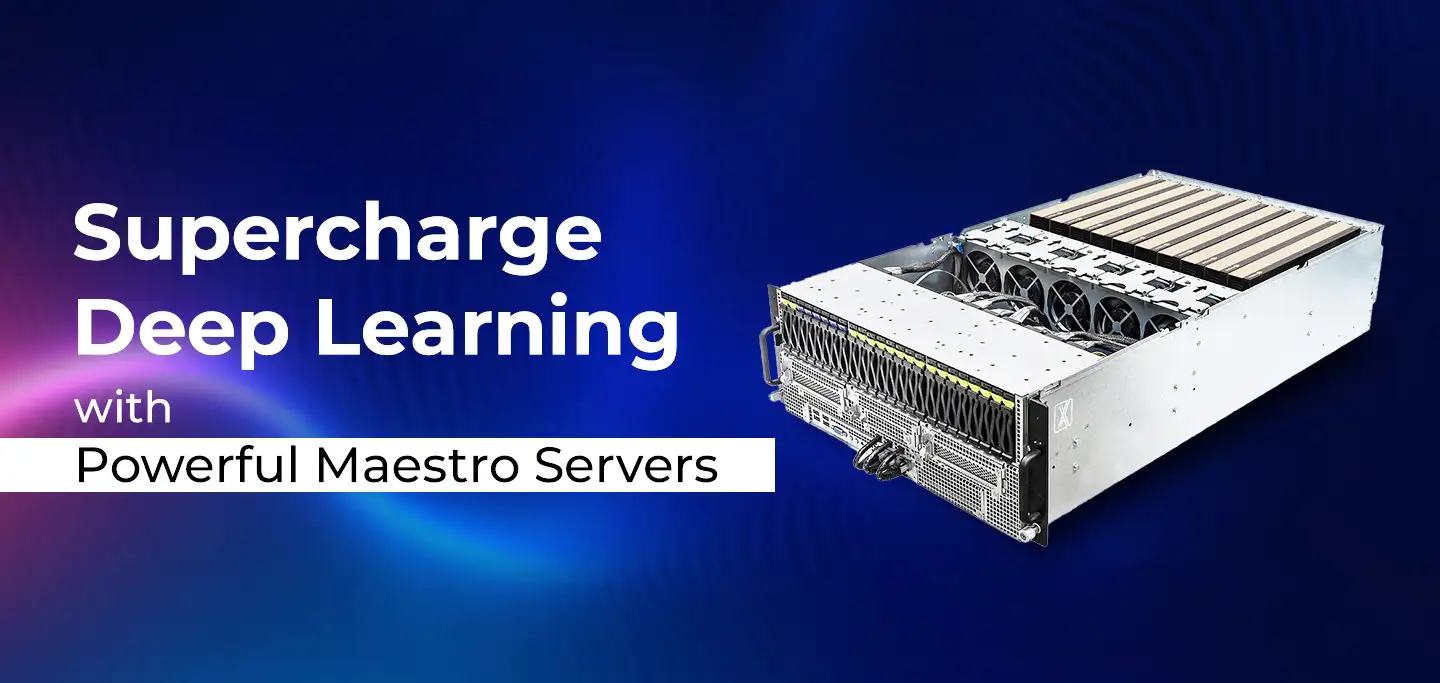
ProX PC Maestro Servers offer the powerful GPUs, ample memory, and scalable features needed to supercharge your deep learning projects.

ProX PC servers offer top performance, scalability, and reliability for big data and deep learning, making them ideal for various industries. Invest smartly with ProX PC.
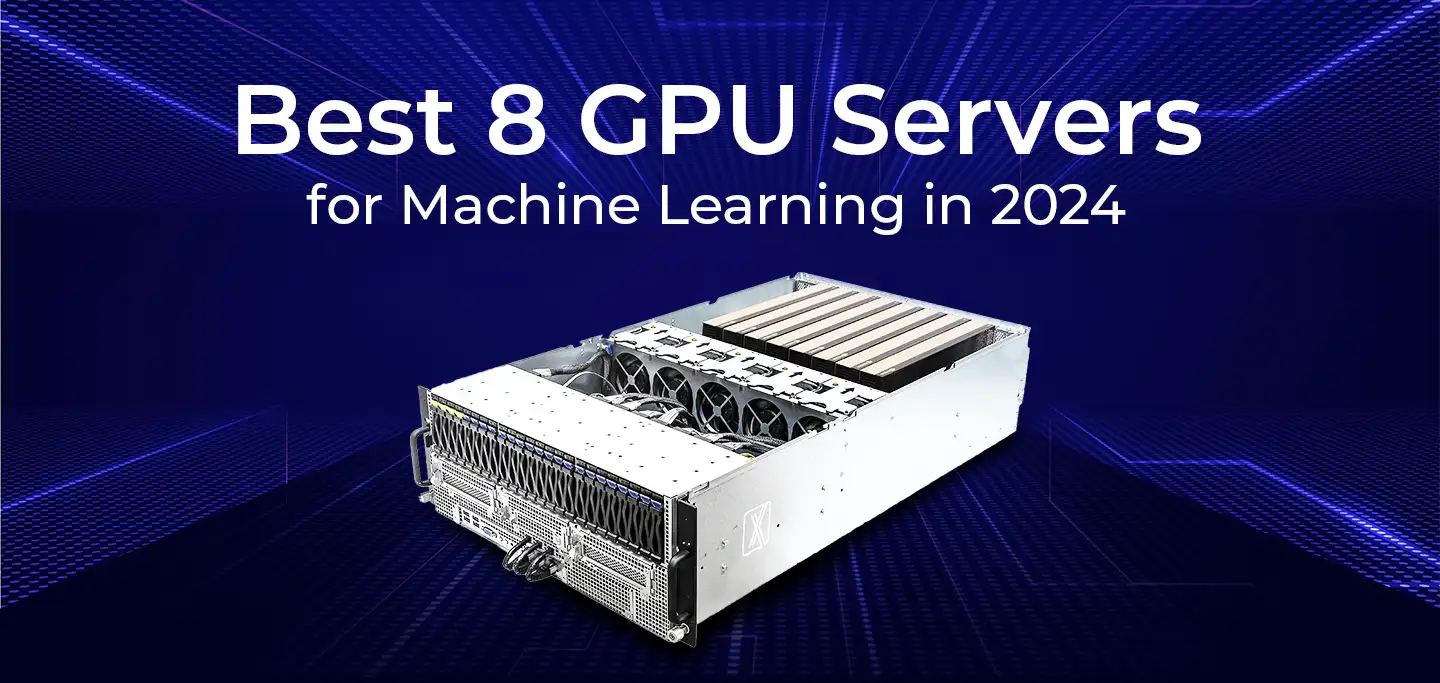
Discover the future of AI with ProX PC's 8 GPU servers featuring NVIDIA RTX 4090 GPUs. Unmatched performance, reliability, and scalability for all your machine learning needs.
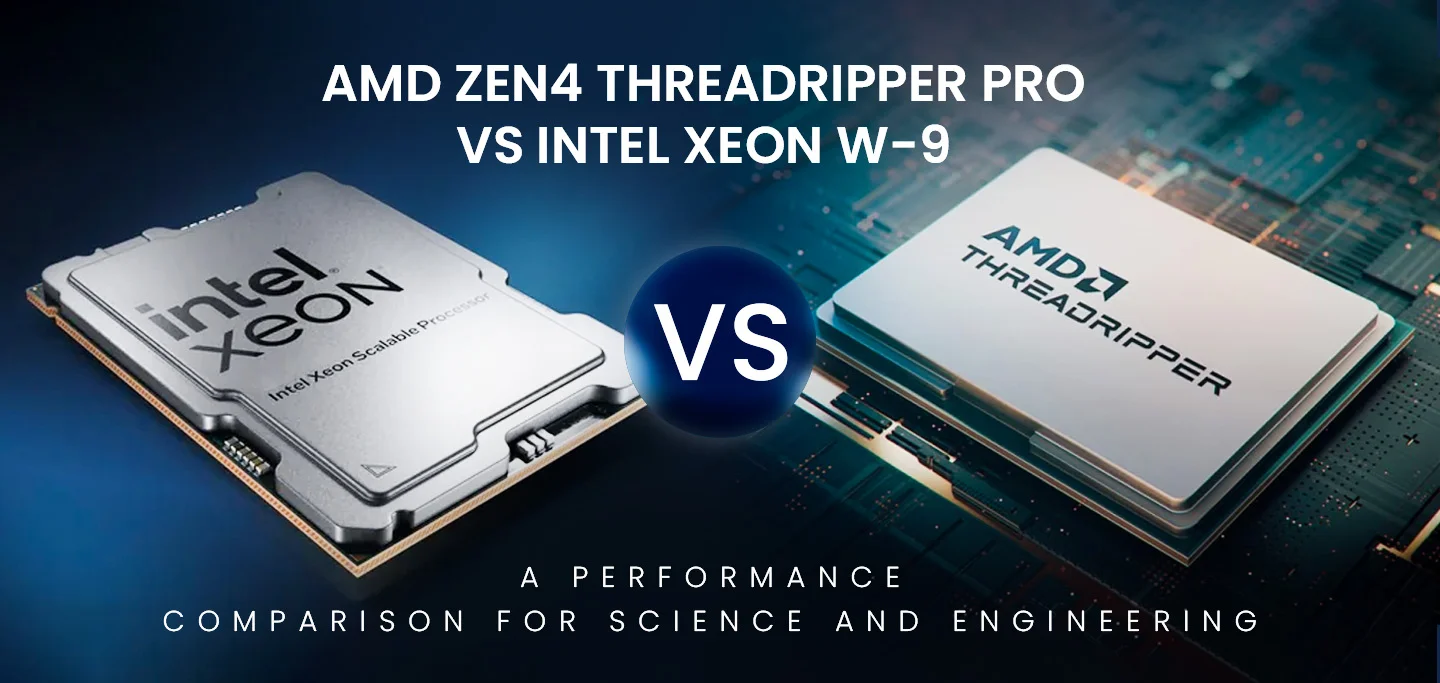
In the fast-evolving world of computational technology, choosing the right hardware can significantly impact the performance of scientific and engineering workloads. In this post, we will compare the numerical computing performance of the new AMD Zen4 Threadripper PRO (specifically the 7995WX and 7985WX) against the Intel Xeon W-9 3495X and the older Threadripper 7980X. We will also briefly mention the previous generation Threadripper PRO 5995WX with Zen3 optimizations.