At first glance, a personal computer (PC) and a server appear to do the exact same job.
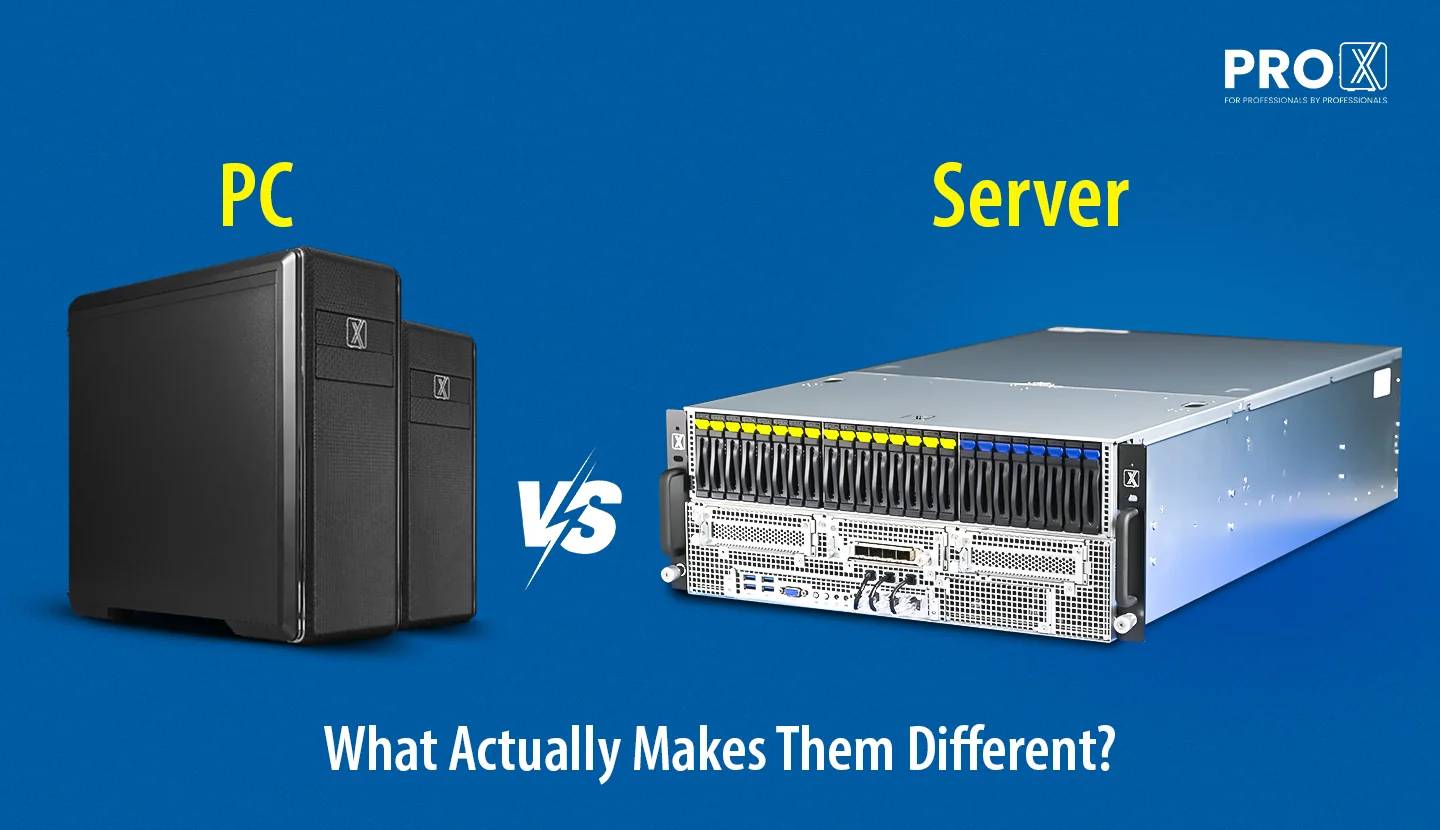
At first glance, a personal computer (PC) and a server appear to do the exact same job. They both have processors, memory, storage, and a motherboard. They both process data. However, the engineering philosophy behind each platform is vastly different.
A PC enables an individual to perform tasks, create content, or play games. A server acts as foundation for an entire organization, delivering data, applications, and resources to hundreds or thousands of users simultaneously. To understand the difference, we must look past the spec sheet and examine the architectural goals: redundancy, continuous operation, and serviceability.
When a desktop PC crashes, a single user loses a few minutes of work. When a server goes down, an entire company halts operations. Every minute of server downtime translates to lost revenue and stalled productivity.
Therefore, we design our servers around the concept of absolute reliability. Instead of hoping components will last forever, our server architecture assumes that hardware will eventually require replacement. We build the system to survive those hardware events without ever interrupting the workflow.
This philosophy of survival dictates how we construct the physical hardware.
A standard desktop PC relies on a single power supply unit. If that unit fails, the entire machine shuts down immediately.
We utilize Redundant Power Supplies in our servers. The chassis holds two or more independent power modules. Under normal conditions, they share the electrical load. If one module experiences a failure, the secondary module instantly takes over the entire load. The server remains fully active, and users connected to the system experience zero interruption.
Replacing a part in a traditional desktop requires you to power down the machine, unplug the cables, open the case, and swap the component.
We design our servers for rapid, tool-less maintenance while the system is running. Which is called "hot-swappability."
Hot-Swappable Storage: Servers utilize complex RAID (Redundant Array of Independent Disks) configurations. If a hard drive or SSD fails, the data remains safe on the remaining drives. An IT administrator can simply pull the failed drive out of the front of the server and push a new one in. The system rebuilds the data onto the new drive automatically, all while continuing to serve files to the network.
Hot-Swappable Cooling Fans: Server chassis feature modules of high-performance fans. If a fan motor dies, you can lift the broken fan module out and drop a replacement in, directly while the machine is powered on and processing data.
This design reduces maintenance time from hours to mere seconds, ensuring continuous availability.
The physical environment dictates the form factor of these two platforms.
PCs and workstations are designed for the human environment. The chassis sits on a desk or floor. The cooling fans spin slowly to maintain a quiet atmosphere in the office.
At ProX PC, our Pro Maven series represents this philosophy. These are high-performance tower workstations built for individual professionals:
Pro Maven GS: Our foundation single-GPU workstation for standard design and rendering.
Pro Maven GT: A dual-GPU (2 GPU) system for heavier local computations.
Pro Maven GQ: A massive 4-GPU tower for extreme desktop rendering and local AI Infrence.
Servers are strictly industrial equipment. We typically build them into flat, wide chassis measured in "Rack Units" (1U, 2U, 4U). These chassis slide into standardized metal racks, allowing organizations to stack dozens of servers vertically to maximize space.
Because servers pack immense computational power into small spaces, they generate massive heat. To counter this, servers use arrays of small, incredibly fast fans that push air through the chassis with extreme force. Due to the extreme noise and the need to dissipate massive heat, servers require a dedicated environment like a climate-controlled data center.
Our Pro Maestro series embodies thismserver architecture, built specifically for data centers and enterprise deployment. However, we have engineered one unique exception to give our clients a flexible option:
Pro Maestro GQ Series (The 4-GPU Servers):
Pro Maestro GQ A: Our dedicated 4-GPU rack server with exclusive support of GeForce GPUs like RTX 5090 designed for balanced AI inference and rendering within a data center.
Pro Maestro GQ P (The Hybrid Exception): A unique 2-in-1 convertible chassis. It can be mounted horizontally in a standard server rack, or it can stand vertically on a desk as a traditional tower workstation, giving you enterprise-grade power exactly where you need it. (Read more)
Pro Maestro GE: A high-density 8-GPU server with exclusive support of GeForce GPUs like RTX 5090 for heavy training workloads like Simulation, Rendering, VFX, AI, Collaborative workflows. (Read more)
Pro Maestro GD: Our heavy-duty 10-GPU server, providing maximum computational density for enterprise-scale AI, research and Data science.
Pro Maestro C: A dedicated Compute Server, maximizing CPU cores and RAM for virtualization and complex physics simulations.
Pro Maestro GS: A dedicated Storage Server, engineered to hold massive arrays of hot-swappable drives to feed data to the rest of the network.
Reach out to us if you want these solutions.
Beyond the physical chassis, we utilize specialized silicon to maintain data integrity. Servers employ Error-Correcting Code (ECC) memory. Standard PC RAM can occasionally experience data errors caused by electrical interference, which leads to system crashes. ECC memory actively detects and corrects these data errors on the fly, ensuring the system runs continuously for months or years without needing a reboot.
Understanding these distinctions makes choosing the right hardware much clearer. You choose a Pro Maven workstation to give an individual the highest possible performance right at their desk. You deploy a Pro Maestro server when you need a resilient, highly available platform that will keep an entire network running smoothly, even when individual components fail.
Resources you may find helpful.
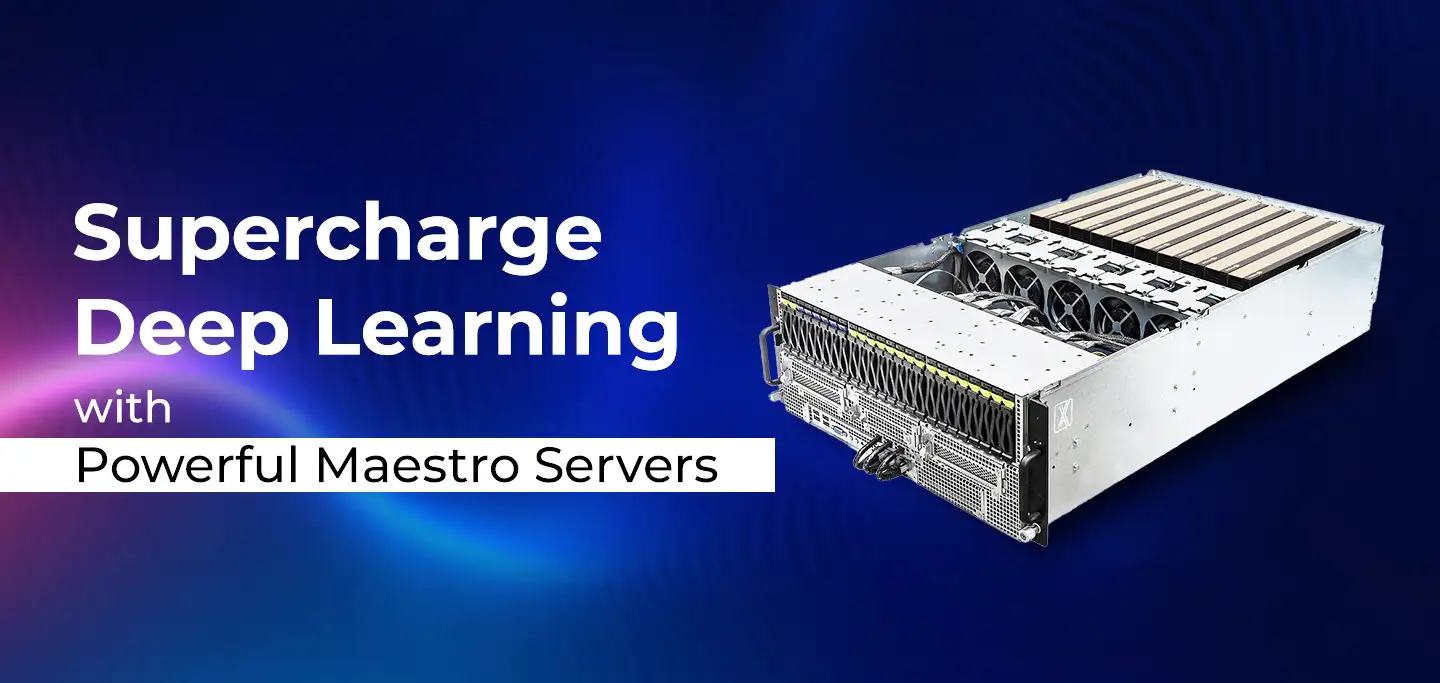
ProX PC Maestro Servers offer the powerful GPUs, ample memory, and scalable features needed to supercharge your deep learning projects.

ProX PC servers offer top performance, scalability, and reliability for big data and deep learning, making them ideal for various industries. Invest smartly with ProX PC.
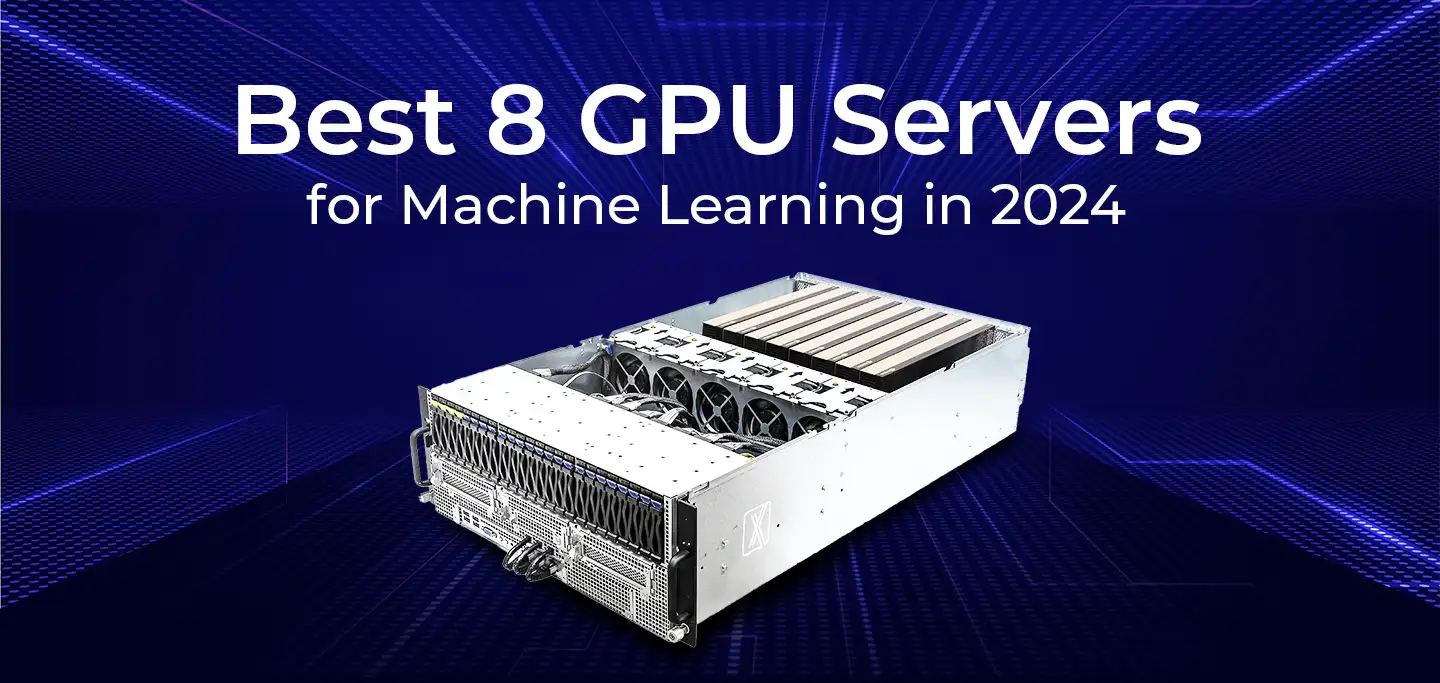
Discover the future of AI with ProX PC's 8 GPU servers featuring NVIDIA RTX 4090 GPUs. Unmatched performance, reliability, and scalability for all your machine learning needs.
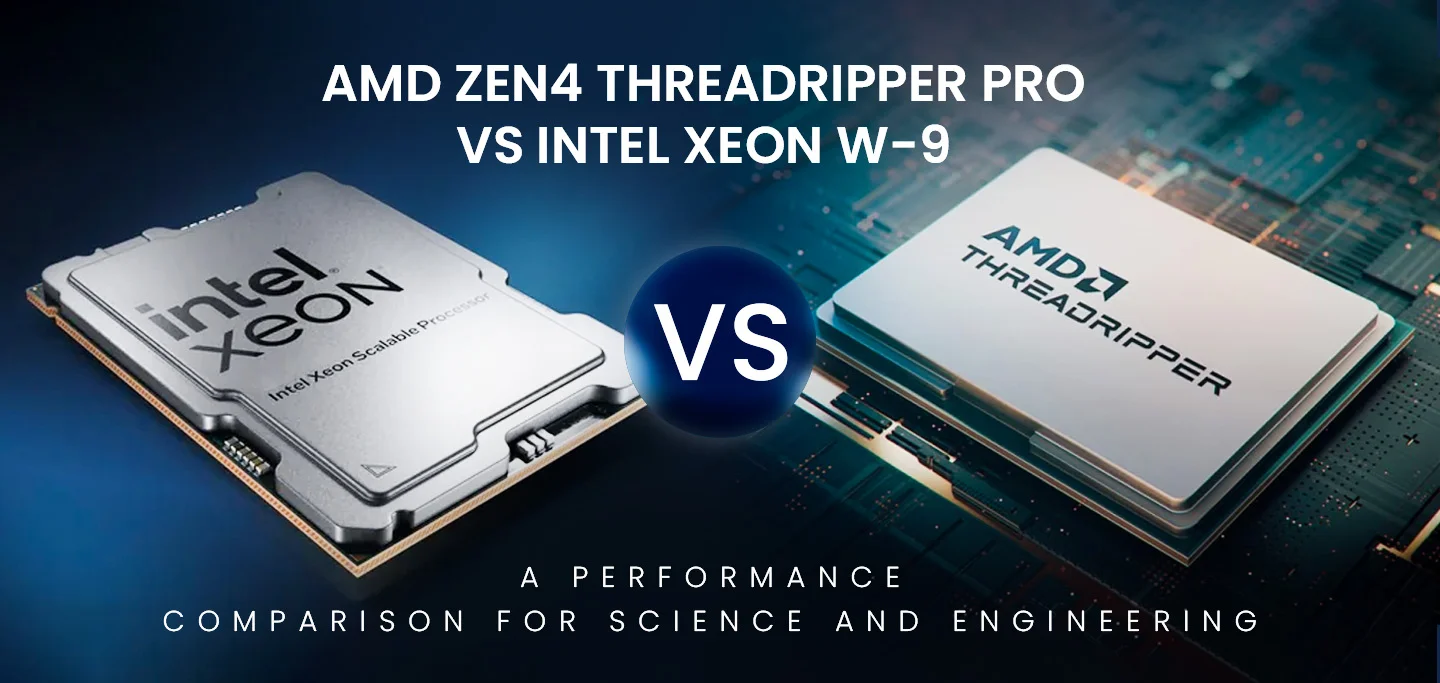
In the fast-evolving world of computational technology, choosing the right hardware can significantly impact the performance of scientific and engineering workloads. In this post, we will compare the numerical computing performance of the new AMD Zen4 Threadripper PRO (specifically the 7995WX and 7985WX) against the Intel Xeon W-9 3495X and the older Threadripper 7980X. We will also briefly mention the previous generation Threadripper PRO 5995WX with Zen3 optimizations.