Released in August 2026 by Zhipu AI, GLM-5.3 serves as a substantial upgrade built upon the 753-billion parameter base of its predecessor.
Released in August 2026 by Zhipu AI, GLM-5.3 serves as a substantial upgrade built upon the 753-billion parameter base of its predecessor. The developers achieved these gains through extensive long-horizon post-training.
The model operates with a mandatory, always-active reasoning engine offering three effort levels (low, high, max). In software engineering, it shows a 50% performance increase over GLM-5.2 on coding benchmarks. It achieves top scores on Terminal Bench 3.0 and Agents' Last Exam.
During post-training, GLM-5.3 developed profound emergent cybersecurity capabilities. It scores 84.5% on the CyberGym benchmark for vulnerability discovery, matching Anthropic's restricted Mythos 5 model in passive flaw detection.
Memory requirements expand based on two elements: base model weights and the active key-value (KV) cache needed for the 1-million-token context window.
| Quantization Format | Total VRAM Required | Recommended Server | Recommended Deployment Tier |
|---|---|---|---|
| INT4 | ~411 GB |
2-in-1 4 H200 GPU server |
Local agent staging, budget enterprise deployments |
| FP8 | 821 GB to 893 GB |
10 H200 GPU server |
Production software development, high-throughput pipelines |
| FP16 / BF16 | 1,800+ GB (with KV cache) |
2 nodes of |
Full-fidelity enterprise hosting, advanced research |
Single-node servers comfortably handle INT4 and FP8 configurations. Moving to higher bit-width formats like FP16 or BF16 shifts requirements into distributed data center operations.
Interconnect Bandwidth: Mixture-of-Experts (MoE) architectures route tokens across specialized layers during every forward pass. Multi-node setups require 400 Gbps InfiniBand (NDR) or RoCEv2 adapters on every machine to prevent communication bottlenecks.
Parallel Execution: Workloads split across nodes require orchestration frameworks like Megatron-LM or Ray. Tensor parallelism manages local GPU memory, while pipeline and expert parallelism distribute layers across physical server boundaries.
Power and Thermal Loads: Clustered nodes demand 3-phase power distribution units capable of delivering 14 kW to 24 kW under sustained loads. Proper hot-aisle and cold-aisle containment maintains safe operating temperatures during long inference runs.
GLM-5.3 provides direct value to organizations requiring high-order reasoning while maintaining full data isolation.
Cybersecurity and Vulnerability Assessment Teams: Security operations can feed proprietary codebases into the model to identify logic flaws and potential security risks before release.
Autonomous Software Development Groups: Engineering departments can input entire code repositories into the 1-million-token context window. The system executes complex refactoring and writes test suites across multiple directories.
Data-Governed Enterprises: Financial institutions, legal firms, and healthcare organizations can run high-parameter reasoning locally, retaining complete control over sensitive internal data.
Successfully self-hosting GLM-5.3 comes down to matching your performance targets with the right hardware tier. Quantized FP8 formats offer an effective balance, providing high output quality within a single server chassis. Organizations needing native 16-bit performance should build dedicated clusters backed by high-bandwidth networking and reinforced power infrastructure.
Resources you may find helpful.
AI is revolutionizing the hardware industry by boosting design, manufacturing, maintenance, supply chains, personalization, autonomy, security, and energy efficiency.
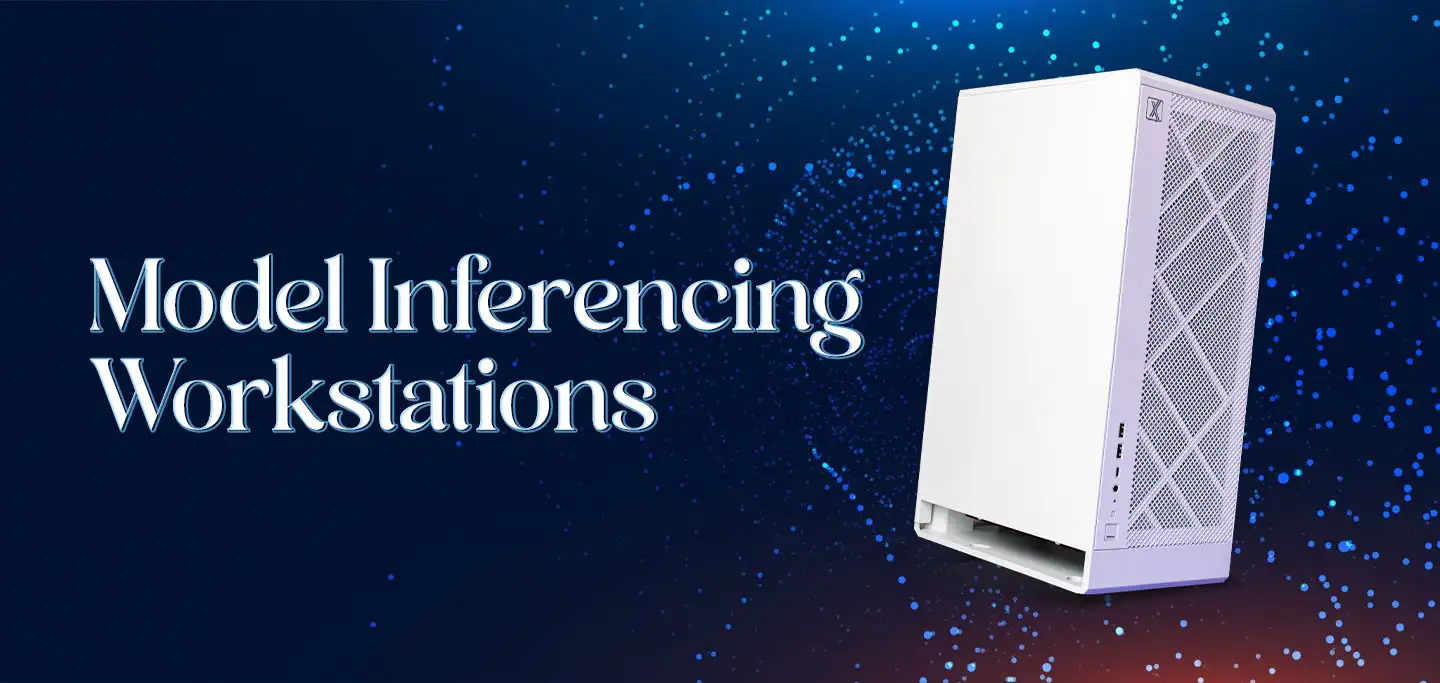
Discover model-inferencing workstations: advanced AI systems revolutionizing industries from retail to smart cities and mastering complex tasks with cutting-edge technology.
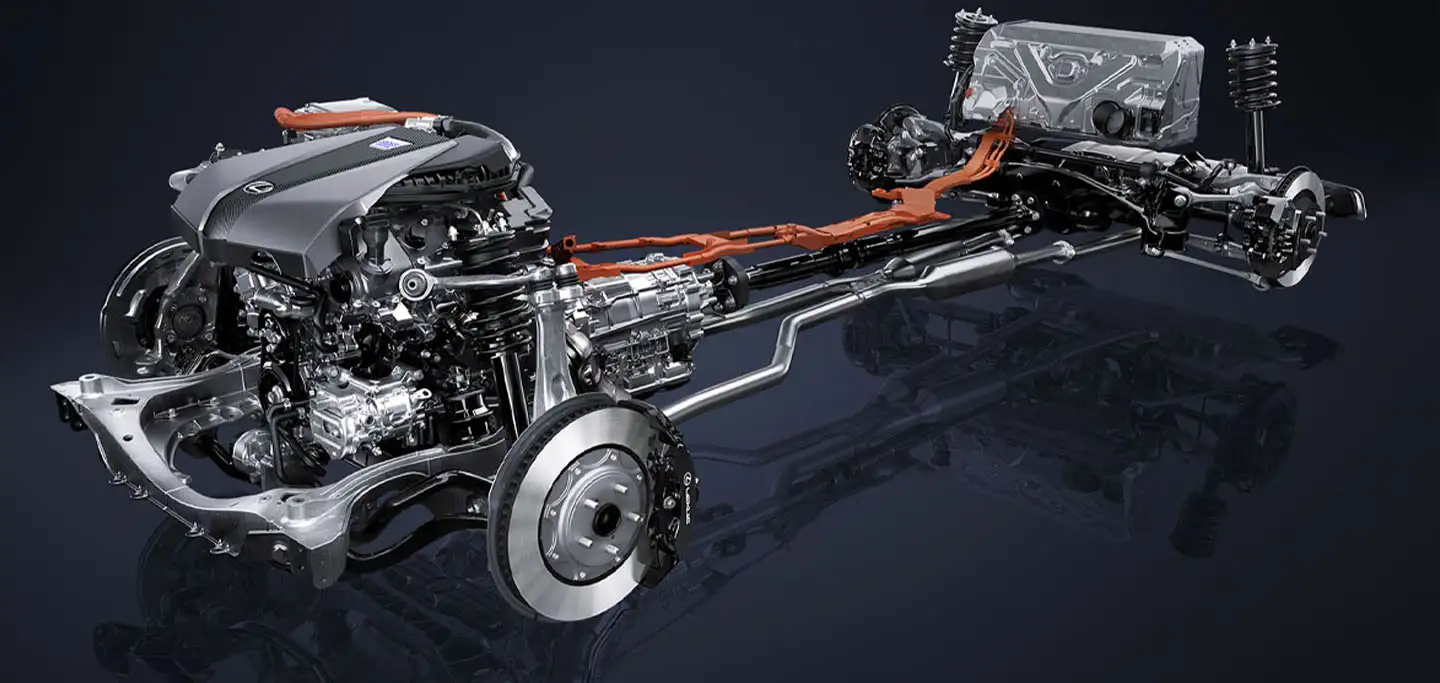
Explore how hybrid systems revolutionize transportation, energy, manufacturing, and daily life by integrating diverse technologies for innovative solutions.

Delve into Edge AI's impact on latency, privacy, and autonomy. Uncover its applications in healthcare, manufacturing, retail, and security.