Difference Between Machine Learning and Deep Learning. Everything you need to know about Deep Learning and Machine Learning

In the rapidly evolving world of artificial intelligence (AI), machine learning (ML) and deep learning (DL) are two pivotal concepts driving innovation across various industries. Understanding the differences between these two approaches is essential for anyone looking to harness the power of AI. This article will explore the core concepts, processes, applications, and future prospects of machine learning and deep learning, highlighting their unique characteristics and distinctions.
Machine learning is a subset of artificial intelligence focused on developing algorithms that allow computers to learn from data. Instead of being explicitly programmed to perform specific tasks, ML algorithms identify patterns and make decisions based on the data they are trained on.
Deep learning is a specialized subset of machine learning that employs neural networks to process data in layers, mimicking the way the human brain functions. This approach excels at capturing complex patterns and representations, making it particularly effective for tasks like image recognition and natural language processing.
Deep learning models require vast amounts of labeled data for training. The process typically involves:
Deep learning's strength lies in its ability to automatically learn feature hierarchies without the need for manual feature extraction, unlike traditional machine learning techniques.
The future of machine learning and deep learning is promising, with advancements poised to revolutionize various sectors. Here are some trends to watch:
While both machine learning and deep learning are integral to AI, they possess distinct characteristics:
| Feature | Machine Learning (ML) | Deep Learning (DL) |
|---|---|---|
| Core Concept | Algorithms and statistical models that learn from data | Neural networks with multiple layers that learn from large amounts of data |
| Model Complexity | Typically simpler and more interpretable | More complex with deeper architectures |
| Feature Engineering | Requires manual feature selection and transformation | Automatically extracts features from raw data |
| Data Requirements | Can work with smaller datasets | Requires large volumes of labeled data for effective learning |
| Computational Resources | Less resource-intensive; can run on standard hardware | More resource-intensive; often requires GPUs or TPUs |
| Interpretability | Easier to interpret and understand | Often considered a "black box," making interpretation difficult |
| Training Time | Typically faster training times | Longer training times due to complexi |
Understanding the differences between machine learning and deep learning is crucial for choosing the right approach for your specific needs. While machine learning offers simplicity and interpretability, deep learning excels in capturing complex patterns from large datasets. As AI technology continues to advance, both machine learning and deep learning will play vital roles in shaping the future of various industries.
By staying informed about these technologies and their capabilities, you can leverage their potential to drive innovation and improve decision-making in your organization. Embracing the unique strengths of machine learning and deep learning will empower you to tackle complex challenges and seize new opportunities in the digital age.
For more info visit www.proxpc.com
Resources you may find helpful.
AI is revolutionizing the hardware industry by boosting design, manufacturing, maintenance, supply chains, personalization, autonomy, security, and energy efficiency.
Discover model-inferencing workstations: advanced AI systems revolutionizing industries from retail to smart cities and mastering complex tasks with cutting-edge technology.
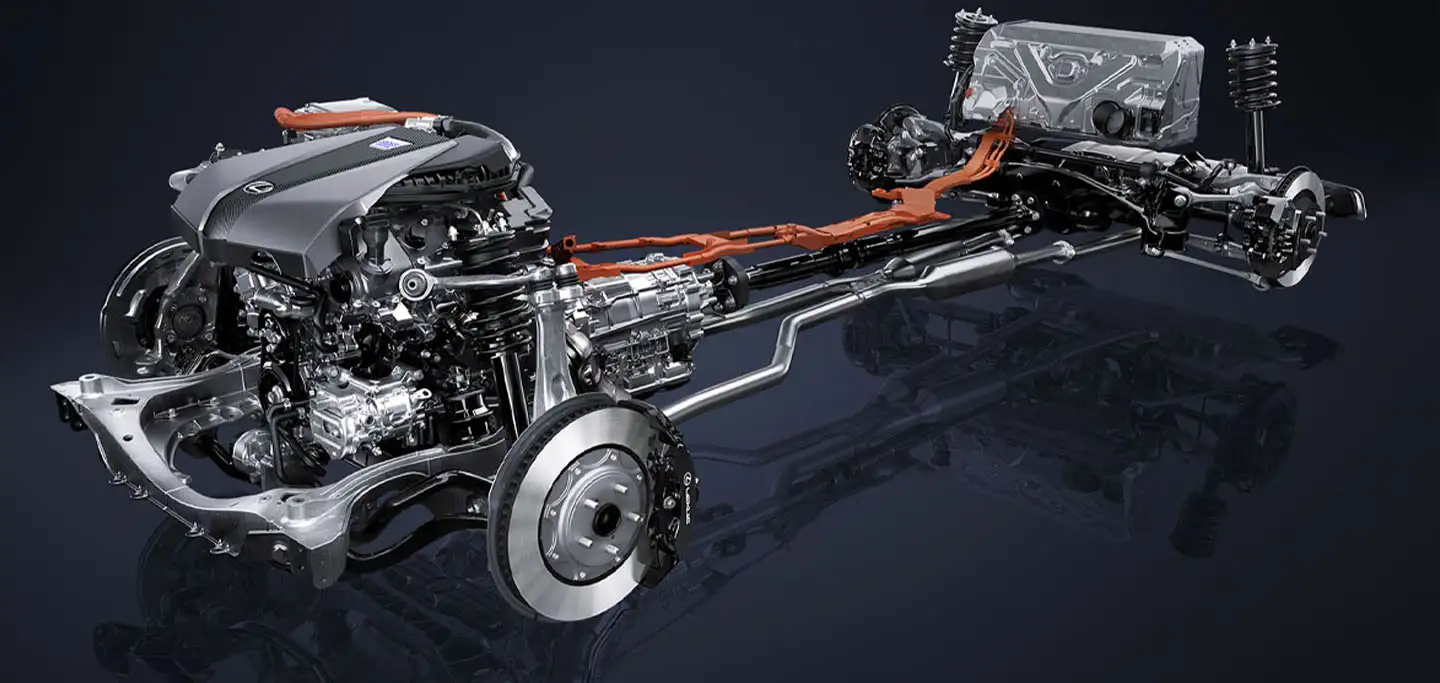
Explore how hybrid systems revolutionize transportation, energy, manufacturing, and daily life by integrating diverse technologies for innovative solutions.
Delve into Edge AI's impact on latency, privacy, and autonomy. Uncover its applications in healthcare, manufacturing, retail, and security.