Custom workstations boost productivity with up to 80% faster rendering times in design and animation workflows.
Rendering in design and animation is an intense process that requires significant computing power. Whether you're working on 3D models, complex animations, or photorealistic visualizations, speed matters. A slow rendering process can be frustrating and costly.
Studies show custom workstations can deliver up to 80% faster rendering times compared to standard systems. But why do custom setups outperform off-the-shelf computers? Let’s explore the key differences between custom workstations and standard systems to understand why they are essential for professionals in design and animation.
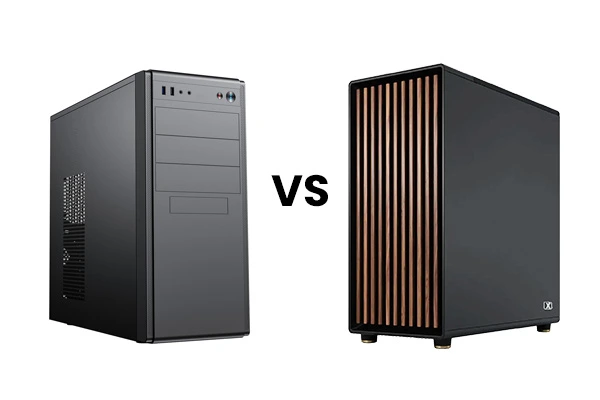
A standard system refers to mass-produced computers designed for general use. These include desktops and laptops intended for everyday tasks such as browsing, document editing, and light graphic work.
On the other hand, a custom workstation is a tailored computing solution built to meet specific performance needs. These systems are optimized for heavy workloads like rendering, simulations, and large-scale editing tasks.
| Feature | Standard Systems | Custom Workstations |
|---|---|---|
| Processing Power | Limited to consumer-grade CPUs | High-performance CPUs with many cores |
| Graphics Capability | Basic GPUs or integrated graphics | Professional-grade GPUs for rendering |
| Memory Capacity | 8–16 GB RAM (general use) | 32 GB to 128 GB RAM (expandable) |
| Cooling Systems | Basic fans, prone to overheating | Advanced cooling for sustained loads |
| Scalability | Minimal upgrade potential | Highly customizable for future needs |
These differences directly affect rendering times and overall productivity, making custom workstations the clear choice for demanding workflows.
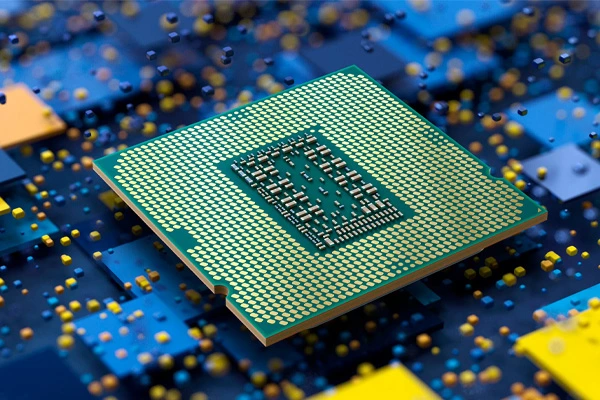
The CPU for rendering tasks, the number of cores and threads plays a critical role.
Example Comparison:
A standard system with an Intel Core i5 might take 10 hours to render a 4K animation, while a custom workstation with an AMD Threadripper Pro could complete the same task in under 2 hours.
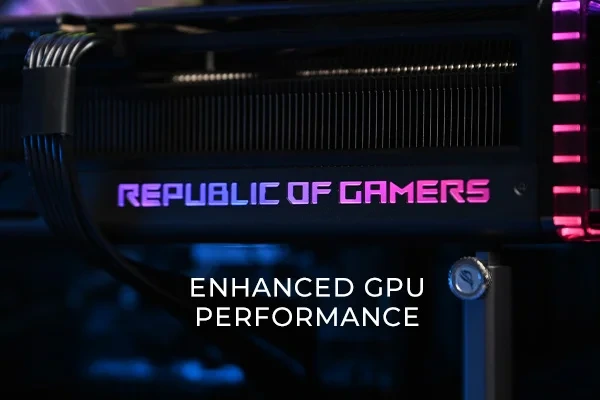
Rendering heavily relies on GPU power, especially for tasks like ray tracing and real-time previews.
Example Comparison:
A standard system with integrated graphics may render a single frame in 2 minutes, while a custom workstation with an RTX 4090 can complete it in just 20 seconds.
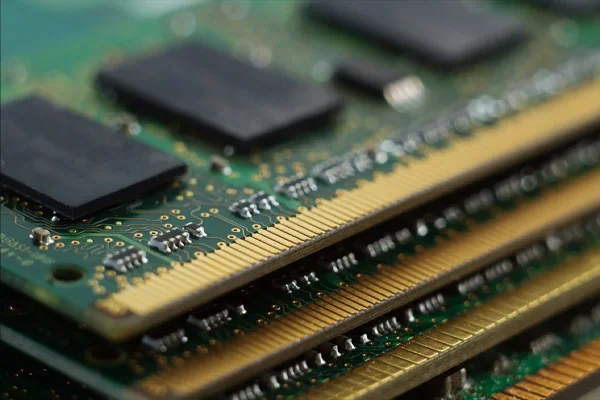
Sufficient RAM is essential for handling large project files, high-resolution textures, and multitasking.
Example Comparison:
A standard system with 8 GB of RAM might crash while rendering a complex scene, while a custom workstation with 64 GB RAM can handle it smoothly without interruptions.
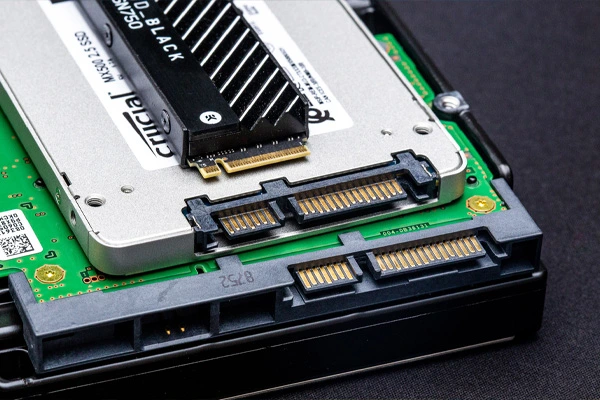
Storage plays a vital role in how quickly project files load and save.
Example Comparison:
Opening a 3D project file might take 3 minutes on a standard system with an HDD but just 10 seconds on a custom workstation with an NVMe SSD.
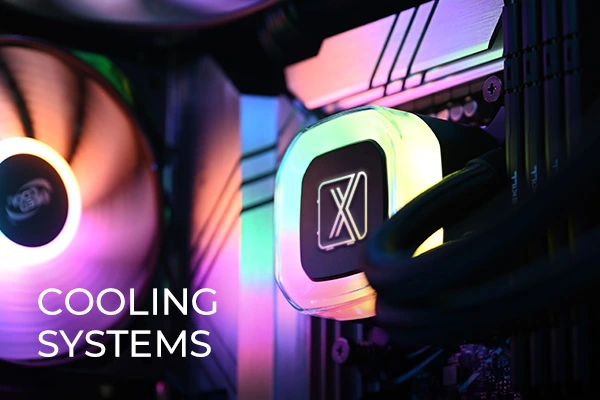
Rendering generates significant heat, which can degrade performance and hardware longevity.
Example Comparison:
A standard system might slow down after 30 minutes of rendering due to overheating, while a custom workstation can render for hours without performance drops.
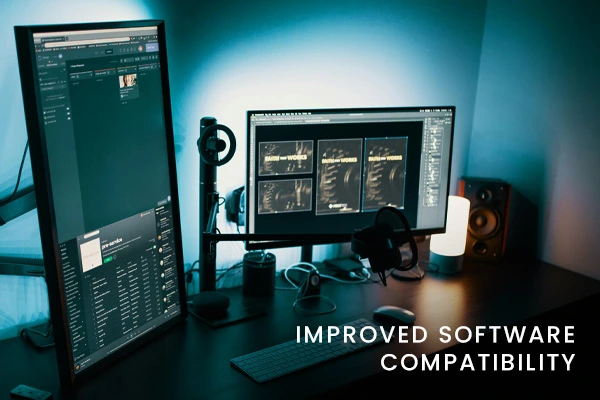
Custom workstations are not just about hardware. They can also be fine-tuned for specific software used in rendering.
Example Comparison:
A standard system may take 12 hours to render a scene in Blender using CPU-only rendering, while a custom workstation with GPU acceleration completes it in under 3 hours.
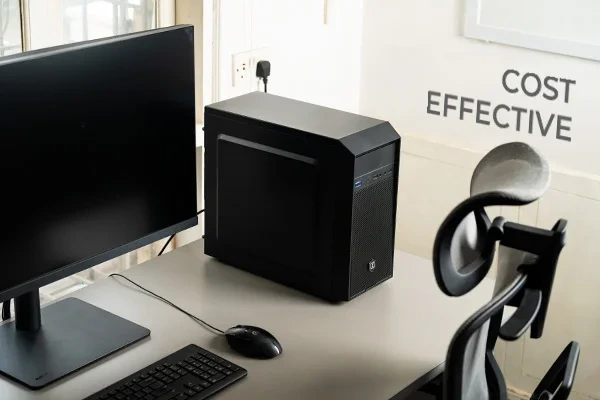
At first glance, custom workstations may seem expensive compared to standard systems. However, the long-term benefits far outweigh the initial cost.
Return on Investment:
A professional animator who saves 10 hours per project with a custom workstation can complete more projects annually, increasing income and reputation.

Scenario:
A design studio working on a feature-length animation was facing delays due to slow rendering times. They switched from standard systems to custom workstations.
This case highlights how custom workstations transform workflows in design and animation.
Custom workstations are a game-changer for professionals in design and animation. With faster CPUs, powerful GPUs, more RAM, and optimized configurations, they deliver up to 80% faster rendering times compared to standard systems.
While the upfront investment may be higher, the long-term benefits in productivity, creativity, and profitability make custom workstations the ultimate choice for demanding workflows.
If faster rendering and enhanced productivity are your goals, investing in a custom workstation is the key to success.
You can visit our website www.proxpc.com and find some of the best custom built workstations for Rendering 3D Design and Animation.
at https://www.proxpc.com/workstation/content-creation/3d-design-and-animation In case you find a perfect fit for your workflow feel free to connect with us at https://www.proxpc.com/contact-us
Read More Related Topics:
Resources you may find helpful.
Computing workstations are vital for professionals needing high-performance, reliable machines for complex tasks in engineering, research, multimedia, and more.
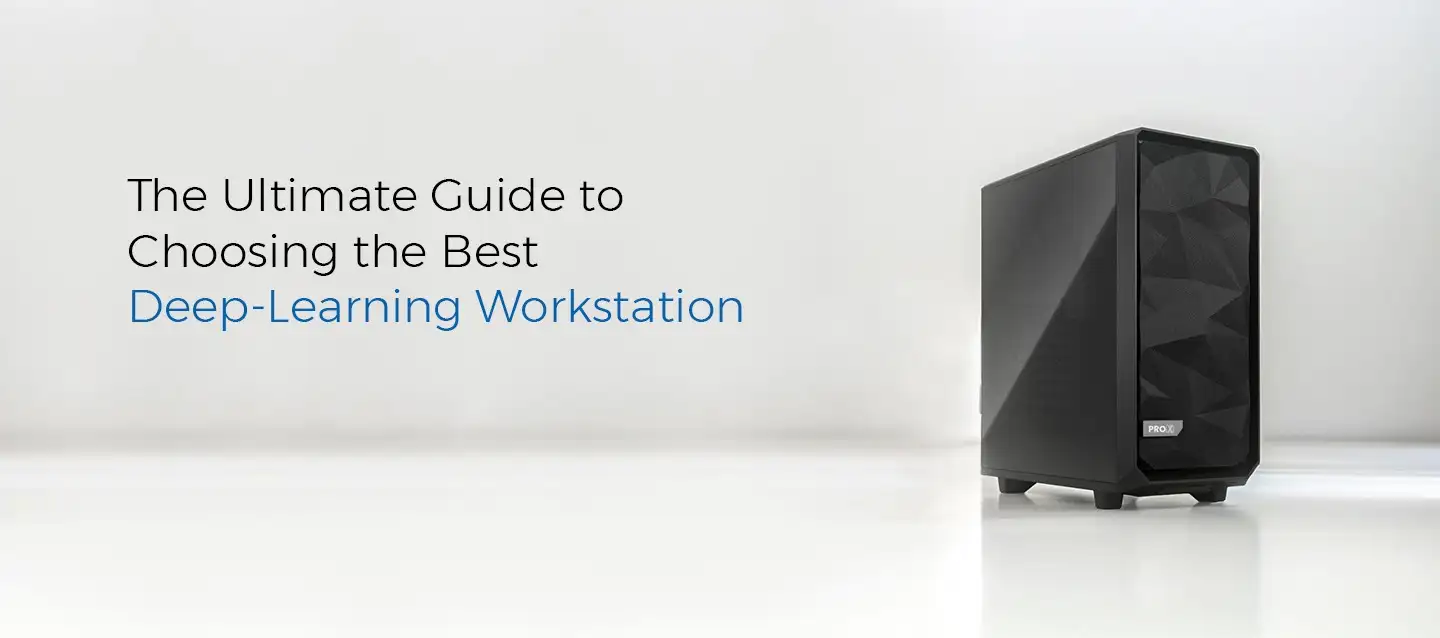
Choose the best deep learning workstation by assessing your needs, budget, and future projects. Balance performance and cost for the best value in your investment.

Model training workstations drive research and innovation, enhancing AI, genomics, materials science, and climate modeling with unmatched speed, accuracy, and efficiency.
ProX PC has crafted a lineup of AI-focused workstations designed to conquer your most challenging projects effortlessly.