When you hear the term "Supercomputer," you probably picture a massive server room, rows of black cabinets, and a cooling system loud enough to deafen you.
When you hear the term "Supercomputer," you probably picture a massive server room, rows of black cabinets, and a cooling system loud enough to deafen you.
But in 2026, a supercomputer looks different. It looks like the NVIDIA DGX Spark.
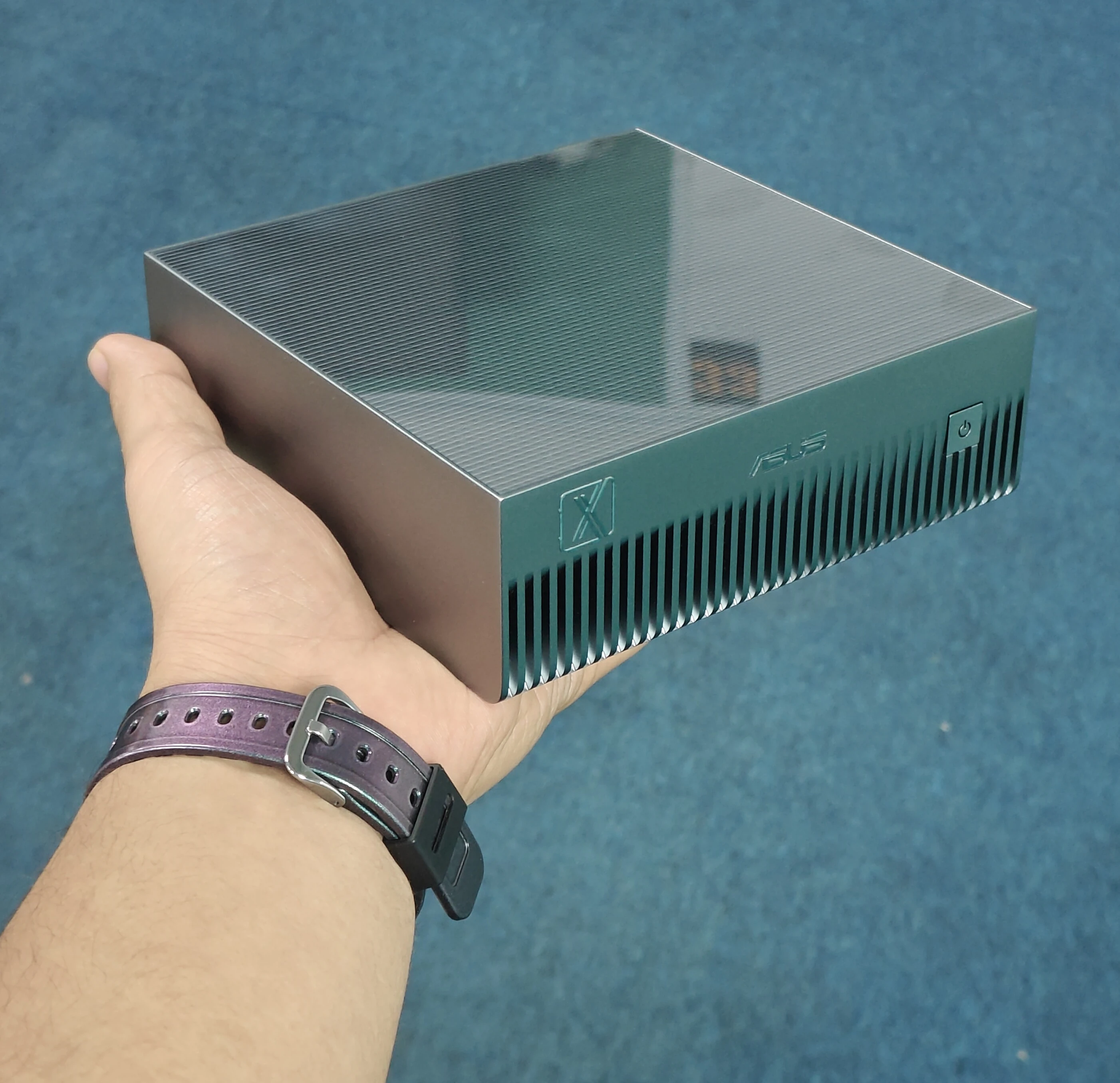
We tested the ASUS Ascent GX10 (a DGX Spark platform) against the best consumer GPU on the market, the RTX 5090.
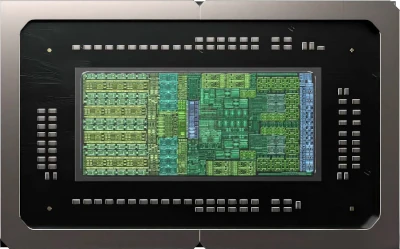
The reason this small device is called a "supercomputer" is the NVIDIA Grace Blackwell Superchip (GB10) inside.
In a traditional PC (like our 5090 test bench), you have a CPU on the motherboard and a GPU in a PCIe slot. They talk to each other over the PCIe bus a "single-lane highway".
The DGX Spark does it differently. It fuses a 20-core Arm CPU and a Blackwell GPU onto a single die. They are connected by NVLink-C2C (Chip-to-Chip), an internal connection moving data at 900 GB/s.
Despite its size, the I/O is built for pros:
We tested the DGX Spark against an RTX 5090 workstation to see where it stands.
We tested a range of models from the nimble Qwen 2.5 to the massive Llama 3.2 90b.
Methodology Note: For the DGX Spark (GB10) tests, we split the benchmarks into "Generations" to stress-test the unified memory:
[See AI Inference Benchmark Results Below]
| LLM Model | VRAM Usage (Total) | Throughput (tokens/s) | Latency (ms/token) | Driver Version | CUDA Version | Total Tokens |
|---|---|---|---|---|---|---|
| llama3.1:latest | 6019.00 MB | 214.43 | 4.66 | 560.76.05 | 12.6 | 25849 |
| llama3.1:latest | 5970.00 MB | 218.44 | 4.58 | 560.76.05 | 12.6 | 26228 |
| deepseek-r1:70b | 30720.00 MB | 3.59 | 220.58 | 560.76.05 | 12.6 | 515 |
| deepseek-r1:70b | 30722.00 MB | 4.51 | 221.6 | 560.76.05 | 12.6 | 643 |
| deepseek-r1:1.5b | 2297.00 MB | 268.34 | 3.7 | 560.76.05 | 12.6 | 32472 |
| deepseek-r1:7b | 5657.00 MB | 191.54 | 5.19 | 560.76.05 | 12.6 | 23170 |
| deepseek-r1:8b | 6487.00 MB | 191.81 | 5.19 | 560.76.05 | 12.6 | 23106 |
| deepseek-r1:14b | 10759.00 MB | 122.01 | 8.19 | 560.76.05 | 12.6 | 14765 |
| deepseek-r1:32b | 20870.00 MB | 66.03 | 15.14 | 560.76.05 | 12.6 | 7970 |
| deepseek-r1:7b-qwen-distill-q4_K_M | 5657.00 MB | 198.2 | 5.02 | 560.76.05 | 12.6 | 23987 |
| gemma3n:e4b | 13082.00 MB | 83.14 | 12.02 | 560.76.05 | 12.6 | 10059 |
| gemma3:27b FP16 | 29309.00 MB | 0 | 0 | 560.76.05 | 12.6 | 0 |
| gemma3:27b | 29338.00 MB | 63.58 | 15.72 | 560.76.05 | 12.6 | 7641 |
| gemma3:8b-it-q4_K_M | 1821.00 MB | 180.99 | 6.18 | 560.76.05 | 12.6 | 19491 |
| gemma3:12b FP16 | 20043.00 MB | 56.56 | 17.65 | 560.76.05 | 12.6 | 6800 |
| qwen2.5:72b | 30706.00 MB | 0 | 0 | 560.76.05 | 12.6 | 0 |
| qwen2.5:latest | 30714.00 MB | 210.65 | 4.72 | 560.76.05 | 12.6 | 25491 |
| qwen2.5:0.5b | 1683.00 MB | 322.15 | 3.1 | 560.76.05 | 12.6 | 38743 |
| qwen2.5:0.5b | 1675.00 MB | 316.9 | 3.15 | 560.76.05 | 12.6 | 38094 |
| qwen2.5:1.5b | 370.0 MB | 53.35 | 18.74 | 560.76.05 | 12.6 | 6514 |
| qwen2.5:1.5b | 3608.00 MB | 312.38 | 3.18 | 560.76.05 | 12.6 | 37811 |
| qwen2.5:3b | 6479.00 MB | 274.54 | 3.64 | 560.76.05 | 12.6 | 32989 |
| qwen2.5:7b | 8522.00 MB | 221.23 | 4.51 | 560.76.05 | 12.6 | 26742 |
| qwen2.5:7b | 5653.00 MB | 223.69 | 4.46 | 560.76.05 | 12.6 | 27061 |
| qwen2.5:14b | 15532.00 MB | 135.84 | 7.35 | 560.76.05 | 12.6 | 16408 |
| qwen2.5:14b | 15532.00 MB | 150.29 | 6.64 | 560.76.05 | 12.6 | 18158 |
| Model Name | Latency | Throughput (tok/s) |
|---|---|---|
| llama3.2-vision:90b (Gen 1) | 2273 ms | 4.4 |
| llama3.2-vision:90b (Gen 2) | 133319 ms | 4.62 |
| qwen2.5:72b (Gen 1) | 4359 ms | 2.29 |
| qwen2.5:72b (Gen 2) | 93051 ms | 4.62 |
| qwen2.5:72b (Gen 3) | 159590 ms | 4.58 |
| deepseek-r1:70b (Gen 1) | 35966 ms | 4.67 |
| deepseek-r1:70b (Gen 2) | 187090 ms | 4.68 |
| qwen2.5:32b (Gen 1) | 871 ms | 11.48 |
| qwen2.5:32b (Gen 2) | 12859 ms | 10.5 |
| qwen2.5:32b (Gen 3) | 11454 ms | 10.48 |
| deepseek-r1:32b (Gen 1) | 44044 ms | 10.4 |
| deepseek-r1:32b (Gen 2) | 31898 ms | 10.41 |
| gemma3:27b-it-fp16 (Gen 1) | 7518 ms | 4.66 |
| gemma3:27b-it-fp16 (Gen 2) | 211922 ms | 4.51 |
| gemma3:27b (Gen 1) | 2756 ms | 12.34 |
| gemma3:27b (Gen 2) | 26419 ms | 12.07 |
| gpt-oss:20b (Gen 1) | 2723 ms | 60.22 |
| gpt-oss:20b (Gen 2) | 22319 ms | 60.49 |
| deepseek-r1:14b (Gen 1) | 6584 ms | 24.76 |
| deepseek-r1:14b (Gen 2) | 20301 ms | 24.53 |
| qwen2.5:14b (Gen 1) | 384 ms | 26.02 |
| qwen2.5:14b (Gen 2) | 2496 ms | 24.44 |
| deepseek-r1:8b (Gen 1) | 4125 ms | 41.94 |
| deepseek-r1:8b (Gen 2) | 17316 ms | 42.16 |
| deepseek-r1:7b-qwen-distill-q4_K_M (Gen 1) | 11472 ms | 46.63 |
| deepseek-r1:7b-qwen-distill-q4_K_M (Gen 2) | 8232 ms | 46.65 |
| deepseek-r1:7b-qwen-distill-q4_K_M (Gen 3) | 22318 ms | 46.33 |
| qwen2.5:7b (Gen 1) | 200 ms | 49.9 |
| qwen2.5:7b (Gen 2) | 4769 ms | 46.97 |
| deepseek-r1:7b (Gen 1) | 4277 ms | 46.99 |
| deepseek-r1:7b (Gen 2) | 9220 ms | 46.86 |
| qwen2.5:3b (Gen 1) | 102 ms | 98.41 |
| qwen2.5:3b (Gen 2) | 647 ms | 102.06 |
| qwen2.5:3b (Gen 3) | 2899 ms | 100.74 |
| gemma3:1b-it-q4_K_M (Gen 1) | 52 ms | 190.68 |
| gemma3:1b-it-q4_K_M (Gen 2) | 3136 ms | 204.41 |
| qwen2.5:1.5b (Gen 1) | 62 ms | 160.9 |
| qwen2.5:1.5b (Gen 2) | 1504 ms | 186.83 |
| qwen2.5:1.5b (Gen 3) | 63 ms | 159.75 |
| qwen2.5:1.5b (Gen 4) | 707 ms | 188.13 |
| qwen2.5:1.5b (Gen 5) | 1445 ms | 186.15 |
| gemma3n:e4b (Gen 1) | 551 ms | 56.21 |
| gemma3n:e4b (Gen 2) | 6917 ms | 58.26 |
| qwen2.5:0.5b (Gen 1) | 25 ms | 404.23 |
| qwen2.5:0.5b (Gen 2) | 197 ms | 411.48 |
Why is the Latency So High? The "Gen 2" test involves feeding the AI a massive prompt (a large "context window"). The system has to read and process all that text before it can generate the first word of the answer. This is called the "Prefill" phase.
The RTX 5090 uses GDDR7 memory, which is incredibly fast (high bandwidth) but expensive and small (32GB). The DGX Spark uses LPDDR5X memory, which is massive (128GB) but has lower bandwidth.
Result: When the Spark has to ingest a huge book worth of text, it takes time to move that data through the LPDDR5X memory. You pay for the massive capacity with time. On the Spark, you wait 3 minutes, and then it starts working. On the 5090, you wait 0 seconds because the model crashes immediately on a model like DeepSeek R1 70B.
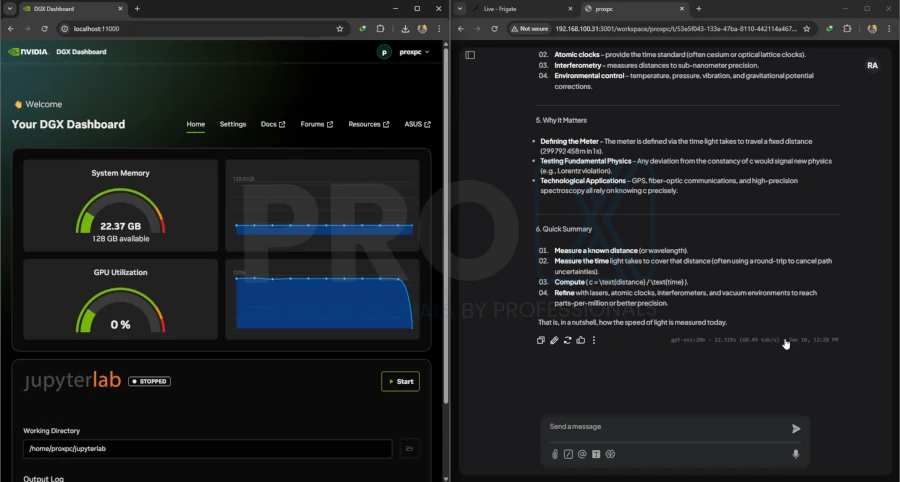
[See Benchmark Results Below]
| Model | GPU | Training Time (Seconds) | Training Time (Minutes) | Peak Reserved Memory |
|---|---|---|---|---|
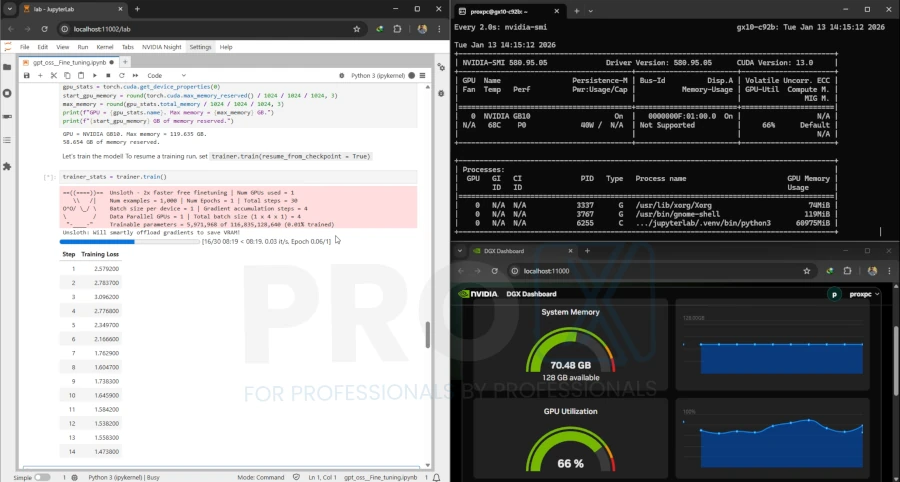
| 20b GPT 0SS | 5090 | 207.1282 | 3.45 | 15.115 GB |
| 20b GPT 0SS | GB10 | 277.4285 | 4.62 | 19.354 GB |
| 120b GPT 0SS | 5090 | Failed | - | - |
| 120b GPT 0SS | GB10 | 1069.3322 | 17.82 | 59.158 GB |
Conclusion: If you need to fine-tune massive models locally, the Spark is your only option in it's price point.
[See Benchmark Results Below]
| Model / Workflow | Generation | RTX 5090 Time (s) | GB 10 Time (s) |
|---|---|---|---|
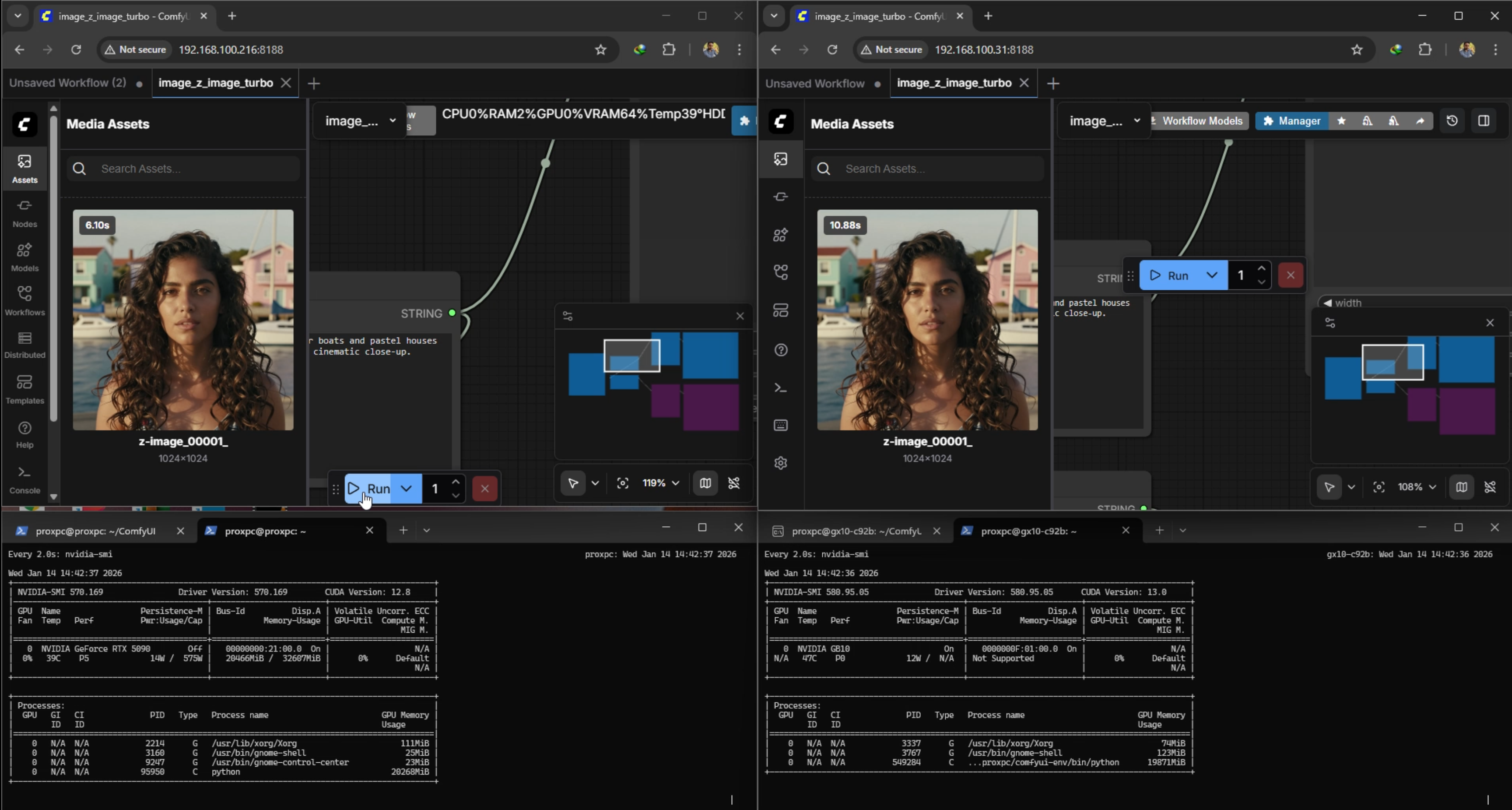
| qwen3 4b + Image 2 turbo FP16 | Gen 1 | 6.1 | 10.8 |
| qwen3 4b + Image 2 turbo FP16 | Gen 2 | 1.69 | 6.17 |
| Flux Dev Mixed Precision | Gen 1 | 50 | 237 |
| Flux Dev Mixed Precision | Gen 2 | 56.6 | 156 |
| Flux Dev Mixed Precision | Gen 3 | 56.6 | 129 |
| Hunyuan Video 1.5 FP16 | Gen 1 | 1310 | 3606 |
Conclusion: For pure media creation, the RTX 5090's raw CUDA performance is superior. But if model is massive like GPT OSS 120B then 5090's raw power is of No use.
This was the most shocking part of our testing.
You are getting PetaFlop-class AI performance for the power cost of a lightbulb.
The DGX Spark isn't made for speed, and it’s not for training foundation models from scratch. It is for the Developer, the Student, and the Researcher who needs massive capacity in a tiny, silent, and efficient package.
It is about owning the compute.
With the DGX Spark, you can experiment, prototype, test, fine-tune, and run multiple or a huge AI models locally right at the corner of your desk, without a monthly cloud subscription.
Interested in the DGX Spark or the RTX 5090? We provide both solutions.
Email: sales@proxpc.com
Phone No.: 011-40727769
Resources you may find helpful.

Harness the power of GPU servers to revolutionize business operations with unparalleled performance in AI, data analysis, and rendering tasks.
The power of NVIDIA® GeForce RTX 4090: Redefining deep learning benchmarks, exceeding expectations set by the RTX 3090
Best GPUs for AI and deep learning in 2024: NVIDIA's RTX 4090, A6000, A100, and more, benchmarked for performance and efficiency

Keep your computer running smoothly with these 10 essential tips. From regular backups to cleaning dust and updating software, ensure optimal performance and longevity.