Discover how AI vision improves accuracy, efficiency, and security while reducing costs. Stay competitive and drive innovation by embracing AI vision today.

In today's fast-paced world, businesses are constantly seeking new ways to stay ahead of the competition. One of the most promising technologies that can help achieve this is AI vision. AI vision involves using artificial intelligence to interpret and understand visual data. This technology is transforming industries and offering numerous competitive advantages.
Understanding AI Vision
Understanding AI Vision
AI vision, also known as computer vision, is a field of AI that enables computers to understand and interpret visual information from the world. This can include images, videos, and other visual inputs. By using advanced algorithms and machine learning, AI vision systems can recognize objects, detect patterns, and make decisions based on visual data.
Key Components of AI Vision
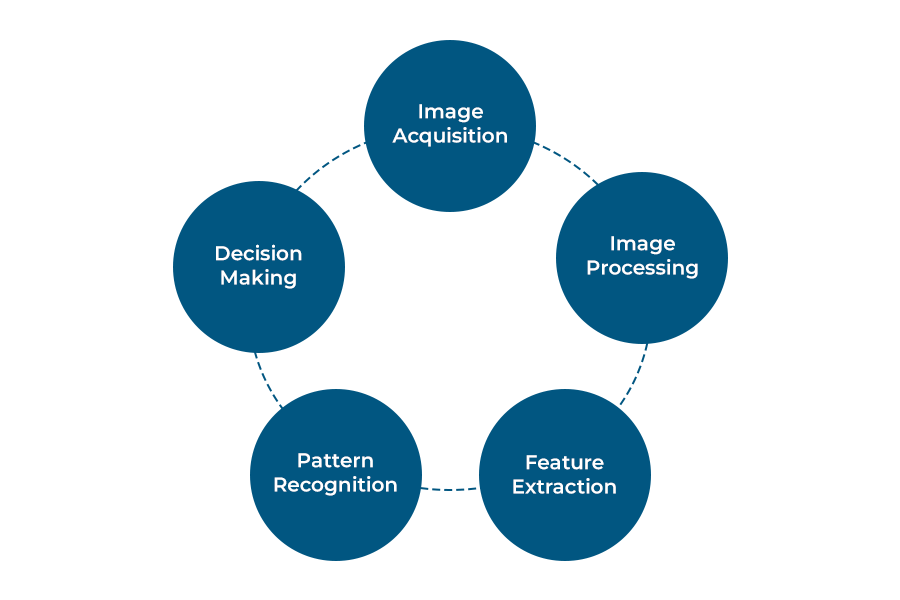
Key Components
AI vision systems are built on several key components:
Benefits of AI Vision
Benefits
Improved Accuracy
AI vision systems can process vast amounts of visual data with high accuracy. This reduces the likelihood of human error and ensures more reliable results. For example, in manufacturing, AI vision can detect defects in products with greater precision than human inspectors.
Increased Efficiency
By automating visual inspection and analysis, AI vision can significantly speed up processes. This leads to increased productivity and efficiency. In industries like agriculture, AI vision can monitor crop health and optimize harvest schedules, saving time and resources.
Cost Reduction
AI vision can reduce operational costs by minimizing the need for manual labor and reducing waste. In retail, AI vision can manage inventory more effectively, reducing the costs associated with overstocking or stockouts.
Enhanced Security
AI vision enhances security by enabling advanced surveillance and monitoring systems. These systems can detect suspicious activities, recognize faces, and even predict potential security threats. This is particularly useful in public safety and security applications.
Better Customer Experience
AI vision can improve customer experience by providing personalized services. In retail, AI vision can analyze customer behavior and preferences to offer tailored recommendations. This leads to higher customer satisfaction and loyalty.
Applications of AI Vision
Applications
Manufacturing
In manufacturing, AI vision is used for quality control and inspection. It can detect defects, ensure products meet specifications, and monitor production processes in real-time. This leads to higher quality products and fewer recalls.
Healthcare
AI vision is revolutionizing healthcare by assisting in medical imaging and diagnosis. It can analyze X-rays, MRIs, and other medical images to detect diseases early. This improves patient outcomes and reduces the burden on healthcare professionals.
Agriculture
In agriculture, AI vision helps monitor crop health, detect pests, and optimize irrigation. Drones equipped with AI vision systems can survey large fields and provide actionable insights to farmers. This leads to higher yields and sustainable farming practices.
Retail
Retailers use AI vision for inventory management, customer analytics, and theft prevention. AI vision systems can track inventory levels, analyze shopper behavior, and identify potential shoplifters. This enhances operational efficiency and security.
Autonomous Vehicles
AI vision is a critical component of autonomous vehicles. It enables vehicles to perceive their surroundings, recognize obstacles, and make driving decisions. This technology is paving the way for safer and more efficient transportation.
Public Safety
In public safety, AI vision is used for surveillance and crowd management. It can monitor public spaces, detect unusual activities, and assist in emergency response. This enhances safety and security in urban environments.
Sports
AI vision is transforming the sports industry by providing real-time analytics and insights. It can track player movements, analyze game strategies, and enhance broadcast experiences. This technology offers new ways for teams and broadcasters to engage with fans.
Marketing
Marketers use AI vision to analyze consumer behavior and create targeted campaigns. By understanding how consumers interact with products and advertisements, businesses can optimize their marketing strategies. This leads to higher engagement and conversion rates.
Logistics
In logistics, AI vision is used for sorting and tracking packages. It can monitor supply chains, ensure timely deliveries, and optimize warehouse operations. This improves efficiency and reduces the risk of lost or damaged goods.
Implementing AI Vision
Implementing AI Vision
Implementing AI vision requires careful planning and consideration. Here are some steps to get started:
Challenges and Considerations

Challenges and Considerations
Data Quality
The accuracy of AI vision systems depends on the quality of the data used for training. Poor-quality images or incomplete datasets can lead to inaccurate results. Ensuring high-quality data is crucial for success.
Privacy Concerns
AI vision systems can raise privacy concerns, especially when used for surveillance or monitoring. Businesses must consider the ethical implications and ensure compliance with privacy regulations.
Integration with Existing Systems
Integrating AI vision with existing systems can be challenging. It requires compatibility with current infrastructure and seamless data flow between systems. Proper planning and implementation are essential.
Cost of Implementation
Implementing AI vision can be expensive, especially for small businesses. The cost of hardware, software, and data collection can add up. However, the long-term benefits often outweigh the initial investment.
Continuous Improvement
AI vision systems require continuous improvement to remain effective. This involves updating models, retraining with new data, and adapting to changing conditions. Businesses must be committed to ongoing maintenance and enhancement.
Future Trends in AI Vision
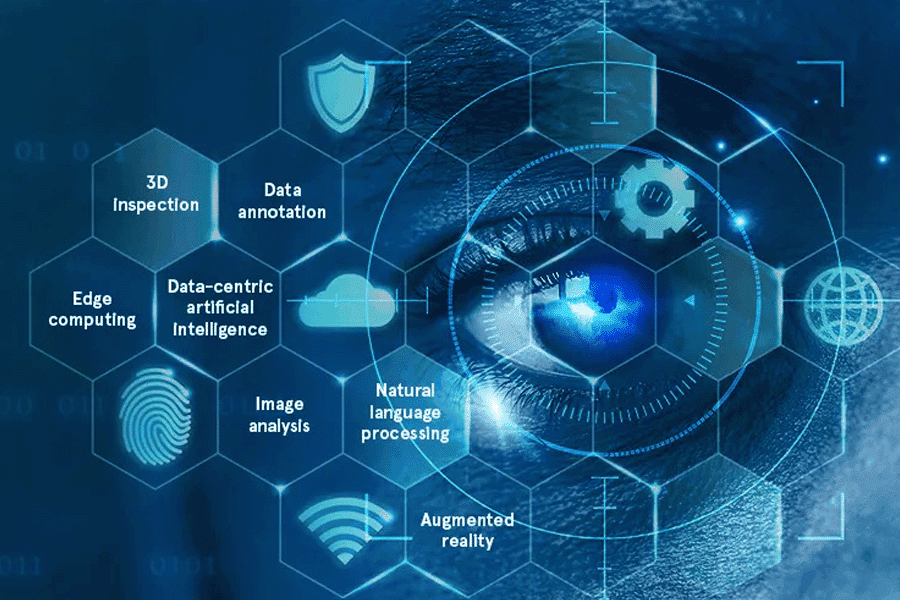
Future Trends in AI Vision
Edge Computing
Edge computing involves processing data closer to its source rather than in a central location. This is particularly useful for AI vision, as it reduces latency and allows for real-time decision-making. Edge computing is expected to play a significant role in the future of AI vision.
Enhanced AI Models
As AI technology advances, models are becoming more sophisticated and capable. This will lead to even greater accuracy and reliability in AI vision systems. Enhanced models will be able to handle more complex tasks and deliver better results.
Integration with IoT
The integration of AI vision with the Internet of Things (IoT) is a growing trend. IoT devices equipped with AI vision can collect and analyze visual data in real-time. This opens up new possibilities for automation and smart applications across various industries.
Human-AI Collaboration
The future of AI vision will involve greater collaboration between humans and AI. AI vision systems will augment human capabilities, allowing for more efficient and effective decision-making. This partnership will drive innovation and growth in many fields.
Ethical AI
As AI vision becomes more widespread, there will be a greater focus on ethical considerations. Ensuring fairness, transparency, and accountability in AI vision systems will be crucial. Businesses will need to adopt ethical practices to build trust and maintain a positive reputation.
Conclusion
AI vision is a powerful technology that offers numerous competitive advantages. From improving accuracy and efficiency to reducing costs and enhancing security, AI vision is transforming industries. By understanding its benefits, applications, and implementation considerations, businesses can leverage AI vision to stay ahead of the competition. As the technology continues to evolve, it will open up new opportunities and drive further innovation. Embracing AI vision today will position businesses for success in the future.
For more info visit: www.proxpc.com
Edge Computing Products
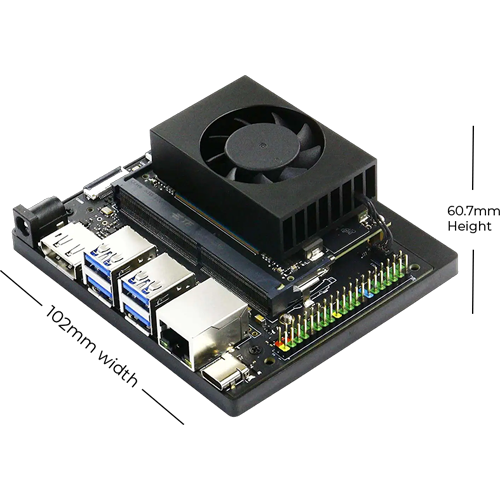
\ProX MicroEdge Orin Developer Kit
Learn More
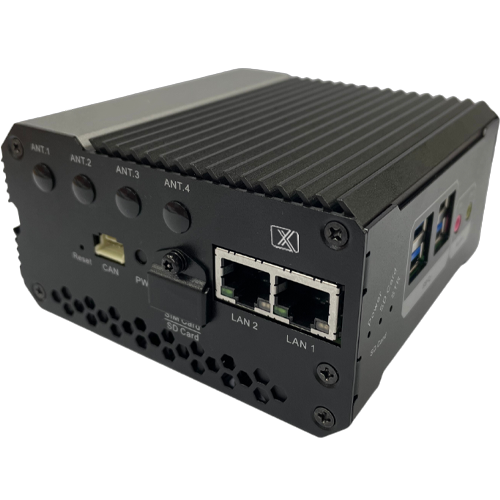
ProX Micro Edge Orin NX
Learn More
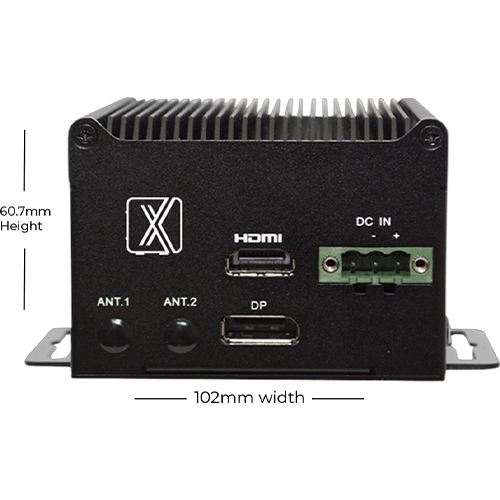
ProX Micro Edge Orin Nano
Learn More
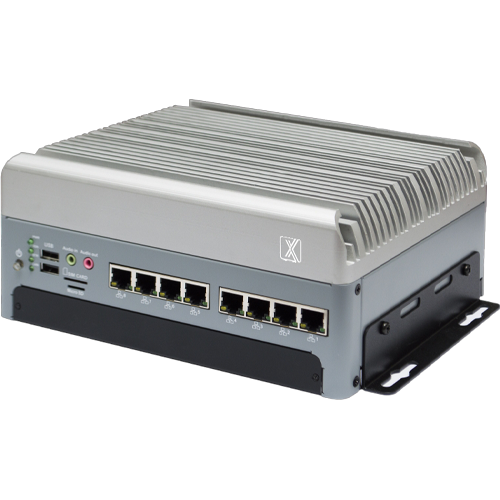
ProX Micro Edge AGX Orin
Resources you may find helpful.
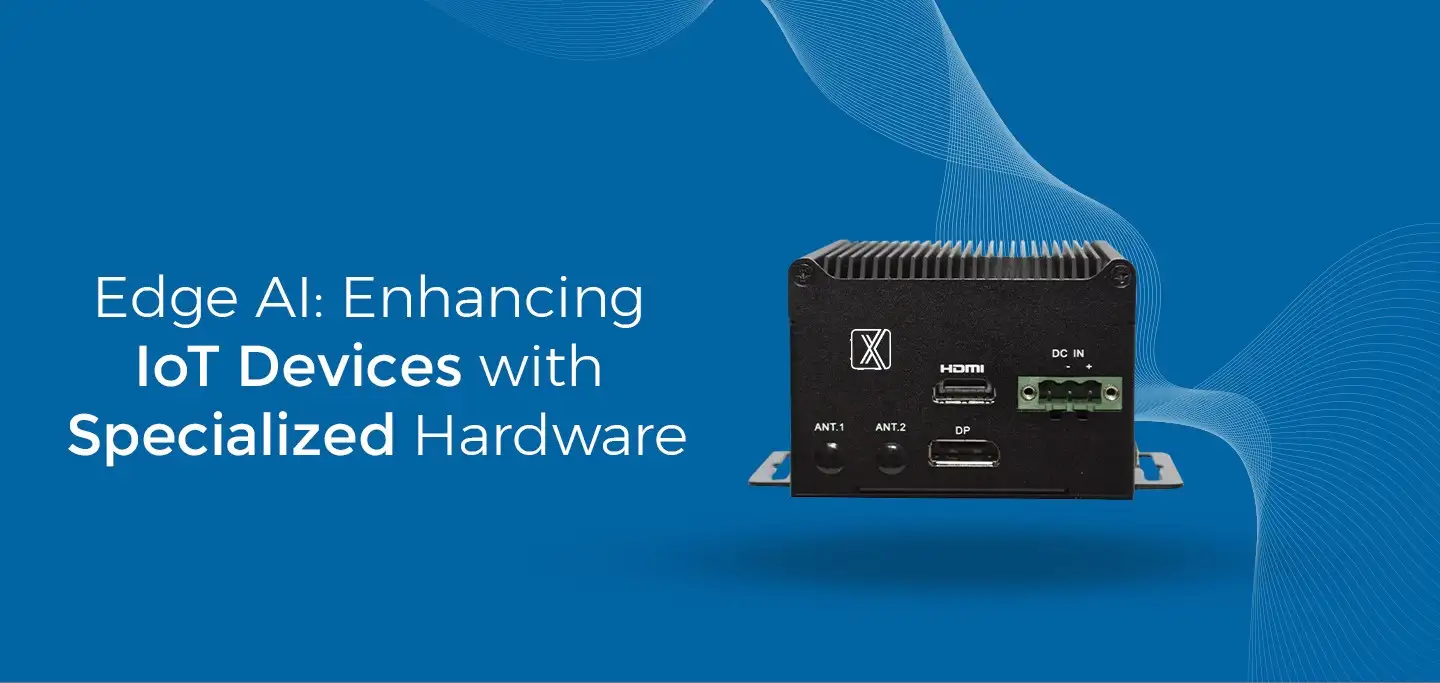
Edge AI is a technology that makes Internet of Things (IoT) devices smarter by incorporating specialized hardware for processing data locally.
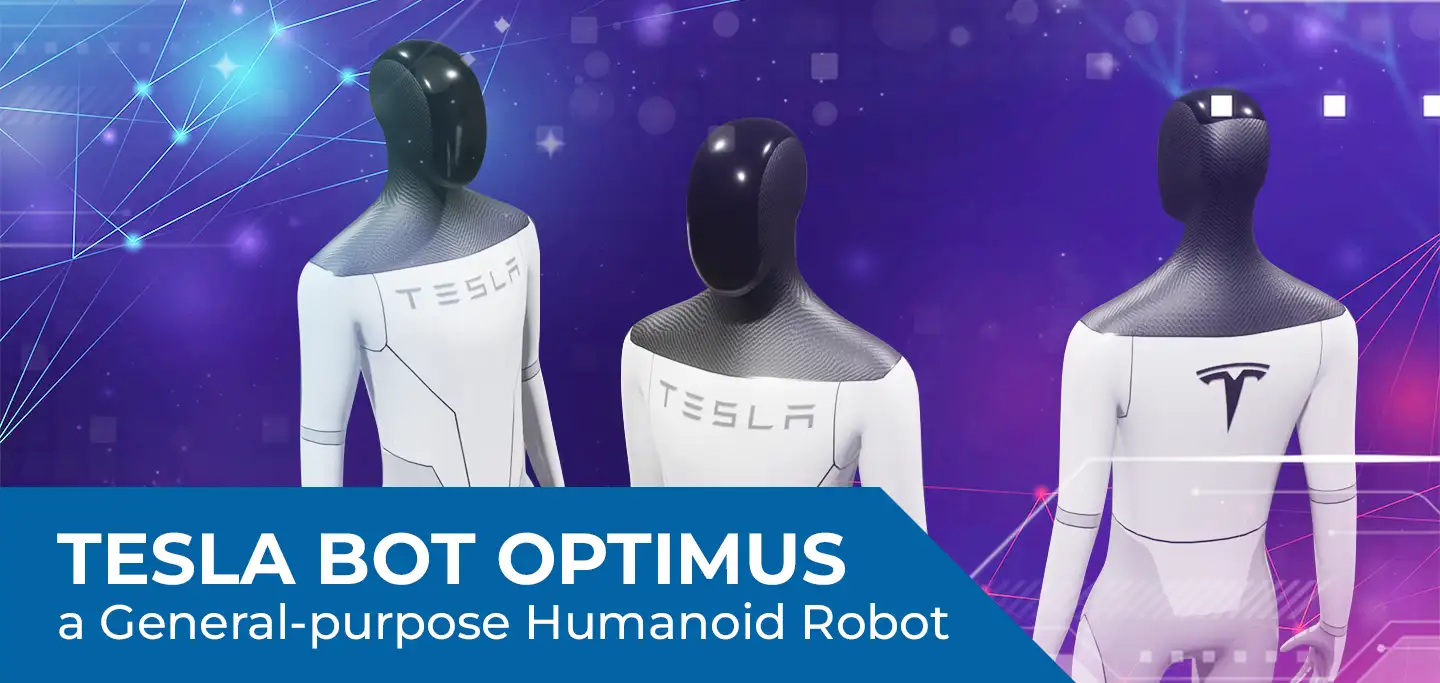
Startups around the real world are developing Artificial Intelligence (AI)-based robots with different purposes, and they mainly focus on social interaction.

Humans are capable of looking at these 2D images and intuitively inferring the 3D world.
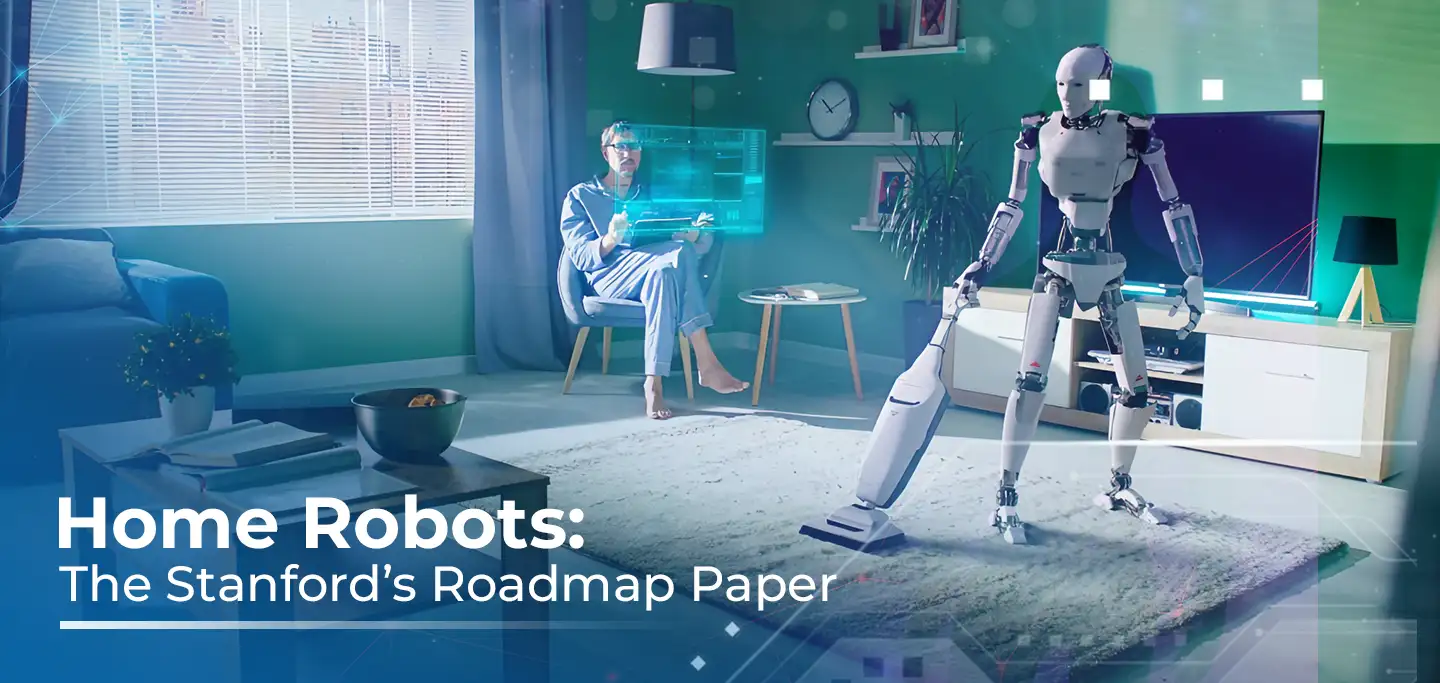
The study panel summarized the current progress and envisioned future advancements in the areas of AI and home robots.