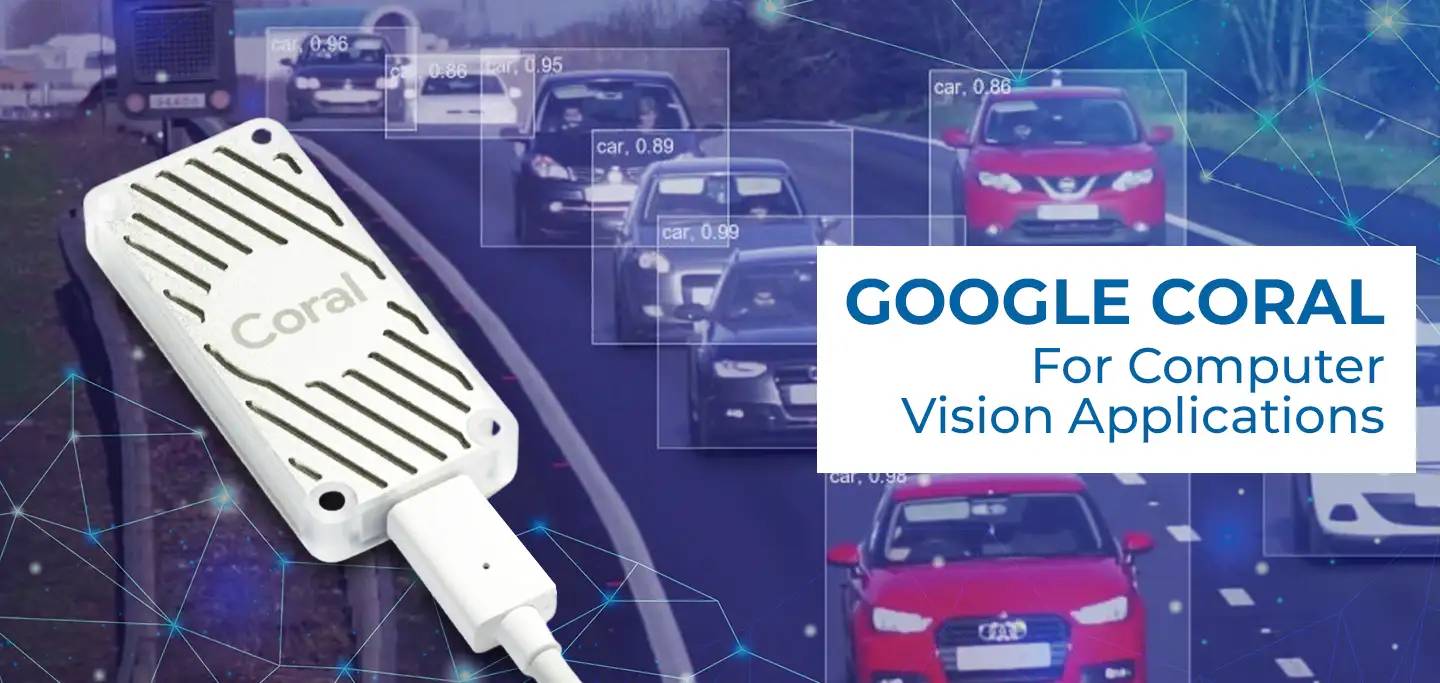
AI performed in real-time, at the edge, is integral across many industries. In this article, we present Google Coral and its on-device Edge AI with its TPU (Tensor Processing Unit) computing capabilities.
Contents
AI performed in real-time, at the edge, is integral across many industries. In this article, we present Google Coral and its on-device Edge AI with its TPU (Tensor Processing Unit) computing capabilities. Edge AI allows for faster data processing and decision-making by performing computations locally on the device as opposed to relying on cloud servers. This reduces latency, enhances privacy by keeping data on-device, and enables efficient bandwidth use.
Google Coral’s solutions are particularly valuable in applications such as smart cities, healthcare, manufacturing, and retail, where immediate data processing and insights are critical. We will explore the various features of Google Coral and the benefits of enabling robust, real-time AI applications at the edge.
In this article, we cover the following:
About us: ProX PC is the end-to-end computer vision infrastructure solving business challenges across industry lines. With a scalable architecture and easy-to-use interface, ProX PC makes it possible for ML teams to easily manage the entire machine learning pipeline. Learn how ProX PC can solve your business challenge by booking a demo with our team.
What Is Google Coral
Google Coral is an edge AI hardware and software platform for intelligent edge devices with fast neural network inferencing. Coral is Google’s initiative for pushing into Edge AI, with machine learning devices that run without a connection to the cloud.
The Coral devices are based on the Edge TPU co-processor (Tensor processing unit), a small ASIC (application-specific integrated circuit) from Google. The Edge TPU was specifically designed to power state-of-the-art neural networks at high speed, with a low power cost.
Using Google Coral for Computer Vision
Google Coral devices can run machine learning models for Object Detection, such as TensorFlow, to detect objects in video streams. A pre-trained AI model can be deployed to the device, using a local video camera as the input. The Coral Edge TPU will detect objects locally without having to stream the video to the cloud.
Google Coral offers two main AI hardware and accelerator products that are optimized for Edge Intelligence Solutions, especially AI inferencing on the edge:
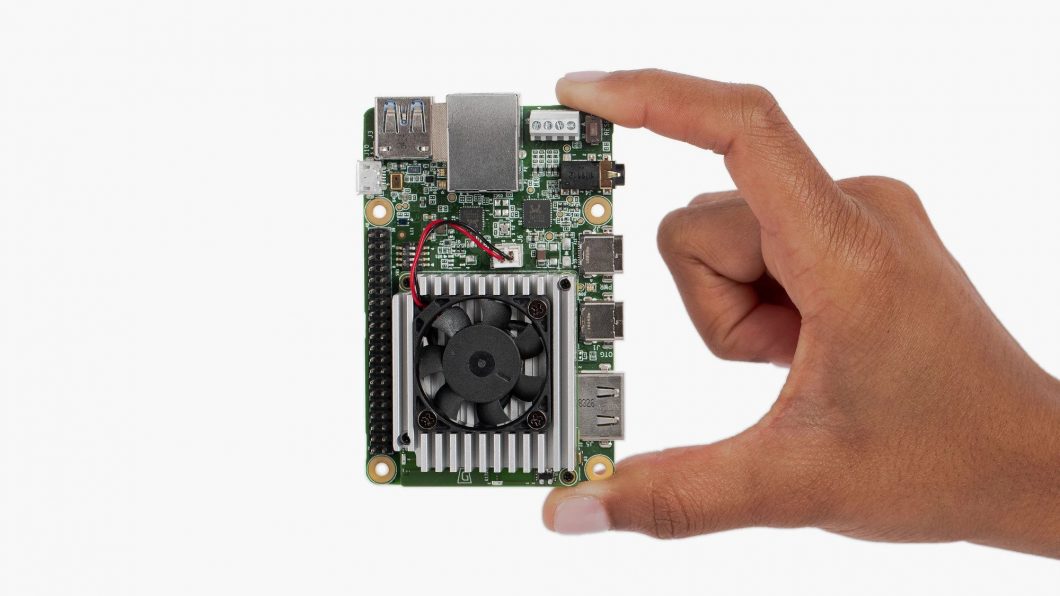
Coral Edge Device Computer (Source: Google Coral)
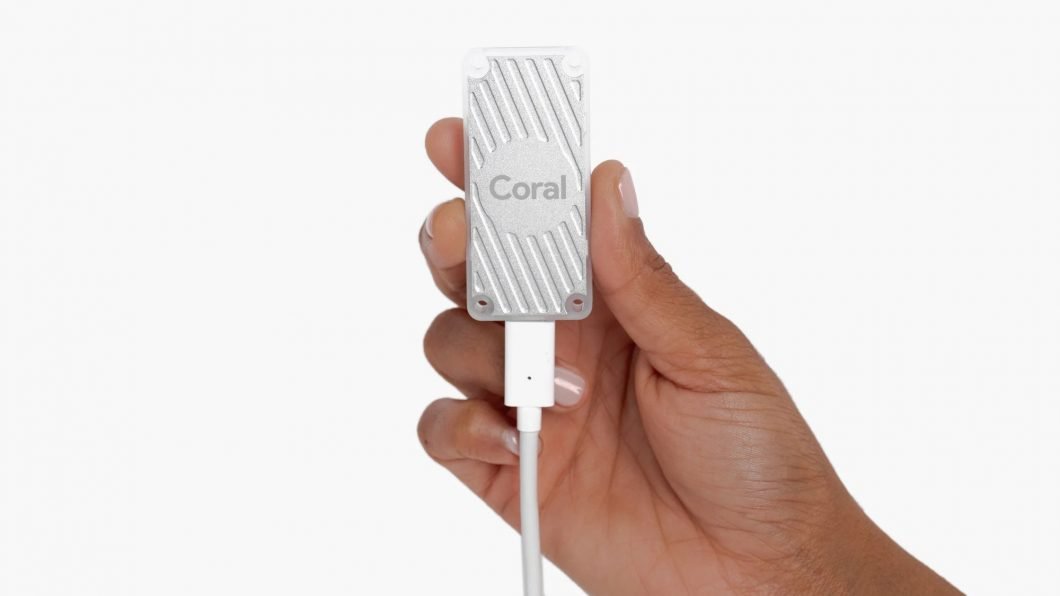
Coral AI USB Accelerator (Source: Google Coral)
Advantages and Benefits of Google Coral
The Coral Edge TPU boards and self-contained AI accelerators build and power a wide range of on-device AI applications. When using Google Coral for Computer Vision projects, many benefits come with its Edge TPU Technology.
Overall, the scalability is based on an excellent cost/performance ratio. This is essential to build AI inferencing solutions in the field, with many distributed devices in a challenging setting (temporary power and network constraints).
Examples of Real-World Applications With Google Coral
The Google Coral AI hardware can power a wide range of AI inference applications with Tensor processing units (TPUs). The most popular use cases of Coral TPUs are based on computer vision and visual deep learning on the edge.
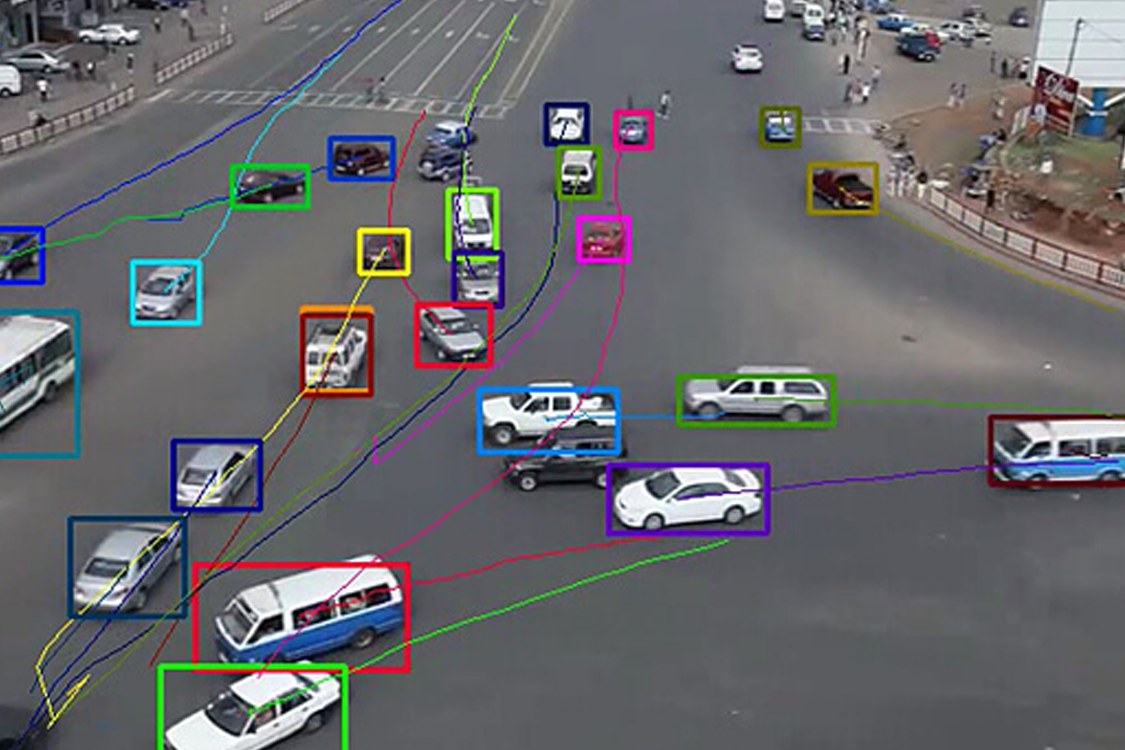
Object detection and tracking AI inference application for traffic analytics
For more info visit www.proxpc.com
Related Products
Resources you may find helpful.
Edge AI is a technology that makes Internet of Things (IoT) devices smarter by incorporating specialized hardware for processing data locally.
Startups around the real world are developing Artificial Intelligence (AI)-based robots with different purposes, and they mainly focus on social interaction.
Humans are capable of looking at these 2D images and intuitively inferring the 3D world.
The study panel summarized the current progress and envisioned future advancements in the areas of AI and home robots.